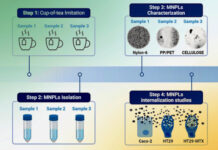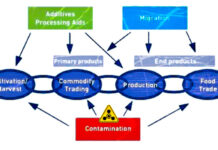


A valuable scientific review of Huaihua and Kunming Universities, China (Li Y. et al., 2024) examined 90 studies to assess the state of the art on research on microplastics in the human body. (1)
Generation and dispersion, exposure, absorption and accumulation in the body, toxicological and public health risks. Following, is a summary of the research with some additions by the writer.
1) Microplastics and nanoplastics, introduction
Microplastics (MP) are plastic fragments ranging in size from 1 micrometre (μm) to 5 mm, in various forms (e.g. fibres, films, granules). They can disintegrate into nanoplastics (NP), reaching sizes between 1 nanometer (nm) and 100 nm. Their generation and dispersion into the environment occurs through two sources:
1) primary sources. Microplastics intentionally incorporated into certain products (i.e. pesticides, cosmetics), subject to recent and limited restrictions in the European Union (2,3);
2) secondary sources. They are formed during the use and disposal of various plastics (e.g. tires, packaging, fabrics, dishwasher detergents) or following their degradation and decomposition (4,5,6).
1.1) Microplastics in agriculture
The dispersion in water and air (7,8,9) – in addition to pesticides, mulch sheets and containers used in agriculture (10) – it causes contamination of soil and plants themselves, up to reaching the food chain. (11)
This phenomenon can result in alteration of the microbiota and some soil chemical capacities (e.g., density, water retention, porosity) to the point of compromising the overall health of plants and crops.
This results in a reduction of water and nutrient uptake by plants, and the consequent concentration of microplastics and nanoplastics in fruits, roots and other plant organs. All the way to the human body.
1.2) Microplastics and other contaminants
The combination of microplastics with numerous other contaminants (e.g. heavy metals, plasticizers, persistent organic pollutants, POPs) is of particular concern for public health.
The contaminants can in fact be taken up by aquatic organisms such as plankton and fish which, through food chains, can trigger a carry over towards other animal species and the human body.
2) Exposure of the human body to microplastics
The human body is exposed to microplastics and nanoplastics through food, inhalation and skin.
2.1) Microplastics in the diet
The assumption of microplastics in the human body through diet occurs primarily through drinking and mineral water (12,13), fishery products and sea salt, (14) but also other foods of animal and plant origin. Poultry and meat in general, milk, beer and soft drinks, honey and beer, fruit and vegetables. (11)
The average daily intake is estimated at over 883 particles for adults and 553 for children – who are exposed to it in quantities up to 10 times higher, (15) with serious risks for neurobehavioral development associated with plasticizing additives with endocrine disrupting action (16) – and can reach an annual value of between 39,000-52,000 particles (17,18).
Migration from food packaging made of or containing plastic-including tea bags, as noted (19)-contributes to the human body’s overall exposure to microplastics to a significant degree. Up to and exceeding 25,000 particles/year depending on the nature of food and packaging, temperature, contact time, and other factors.
2.2) Inhalation
The atmospheric particulate matter in turn may contain microplastics to which the human body is exposed through inhalation. Microplastics can travel hundreds of kilometers, in the air, (8) concentrating especially in closed environments.
Inhalation is estimated to contribute more than 50% of the overall macroplastic intake in the human body. Thus, it adds up to 74,000 – 121,000 particles/year to the amounts assumed through ingestion.
2.3) Skin exposure
Skin contact represents a further route of exposure of the human body to microplastics, despite the fact that the skin acts as a barrier against various contaminants and pathogens.
The passage of microplastics from the skin to the subcutaneous tissue is attributed to three factors:
– microscopic and nanoscopic dimensions of the particles;
– alterations to the integrity of the skin layer (e.g. cuts or lesions, dermatitis);
– penetration of cosmetics (which may contain plasticizing additives such as bisphenol A).
3) Absorption, distribution and accumulation in the human body
The absorption, distribution and accumulation mechanisms of microplastics in the human body in turn follow gastrointestinal, pulmonary and skin pathways.
3.1) Gastrointestinal tract
Ingestion of food and beverages determines an initial interaction of MPs with the oral cavity. Their small size and resistance to corrosion determine a poor protective efficacy of saliva and gastric juices. Acidic conditions can even favor the release of plasticizers or any adherent contaminants into the human body.
The particles smaller than 150 nm can be translocated by endocytosis from the epithelial cells of the intestine, be subject to phagocytosis and transferred to the lymphatic tissues, liver, spleen or lymph nodes. To the point of concentration at levels that can cause inflammation at the sites of accumulation, overcoming the body’s detoxification mechanisms.
3.2) Pulmonary route
The nose, through the mucociliary escalator inside it, is able to capture the larger polymeric particles that are expelled through sneezing or coughing. The smaller particles can instead reach the lungs and from there be transported, through the bloodstream, to the detoxification organs of the human body.
The mouth represents in turn a privileged route for microplastics to enter the human body through the respiratory system, with a greater persistence in the lungs compared to direct inhalation. This leads to greater exposure of
certain categories of subjects, such as workers at risk and smokers.
3.3) Skin entry
The entrance of microplastics in the skin can be intercellular or transcellular, as well as through sweat glands, hair follicles and hair. The stratum corneum, under normal conditions, is able to prevent the entry into the human body of particles larger than 10 nm.
Nanoplastics can promote the passage of other active molecules in the various skin layers, even through the lipophilic substances present on their surface. The blood flow then determines the systemic distribution of MPs in the human body.
4) Excretion, secretion and accumulation
Microplastics excretion from the human body occurs through feces or urine (especially for MPs made more hydrophilic by enzymatic conversion, as well as the smaller ones that can pass through the kidneys), while that of nanoplastics generally occurs through bile.
The secretion of MP can then occur through tears, sweat, saliva or breast milk. Particles of size 4-20 μm persist in the human body (intestine, stomach and liver especially) in higher concentrations than larger and smaller ones.
5) Toxicological risks
Toxicological risks of microplastics for the human body are multiple, potentially serious and very serious, affecting various apparatuses and systems.
5.1) Digestive system
The digestive system suffers the presence of microplastics in various organs and functions:
– at the level of stomach, MPs can affect the production of gastric juices and the integrity of the gastric membrane, altering its defensive capabilities and antioxidant defense functions;
–the intestine may be physically subject to microlesions and inflammatory reactions, with rupture of the tight junction sand of the intestinal mucosa;
– the liver may undergo alterations in lipid metabolism or liver fibrosis, combined with an increase in oxidative stress.
The gut microbiota is negatively influenced by MPs, which stimulate a condition of dysbiosis with alterations in population, microbial diversity and relative abundance. With an impact not only on the digestive system but also on the heart, kidneys and brain, through alteration of the respective axes with the intestine. (20)
5.2) Respiratory system
The accumulation of microplastics in the lungs can cause respiratory toxicity and oxidative stress, followed by inflammation of the lungs themselves. This is followed by asthma, mucus in the lungs or genetic alteration linked to immune defenses. (21)
Epithelial defenses of the lungs can also be damaged, with serious consequences for children who may be more exposed to irreversible damage, such as tumors.
The microbial community in the lungs is as important as that of the microbiota, and it too is negatively affected by the presence of microplastics.
5.3) Reproductive system
The reproductive system and female fertility can be seriously compromised by microplastics, since they are able to cause the death of ovarian cells and affect the survival of oocytes. These toxic factors are enhanced when combined with endocrine disruptors such as phthalates. (22)
Male fertility can also be compromised – in whole or in part (infertility or reduced expression of hormones such as testosterone) – due to contamination of the semen and testicles by microplastics (and other endocrine disruptors combined with them). Human biomonitoring studies have also been conducted in Italy. (23)
Maternal exposure during pregnancy and lactation may lead to the transmission of MPs through the placenta, where they were detected for the first time in an Italian study. (24). With influence on embryonic development and pregnancy outcome, birth weight, growth rate and cognitive development.
5.4) Nervous system
The blood-brain barrier of the human body can be compromised and cause damage to neurons. This phenomenon can lead to various consequences on cognitive and memory abilities, reducing the ability to learn and memorize.
The association of microplastics with heavy metals and other contaminants can exacerbate neurotoxic effects by reducing cell viability and stimulating cell apoptosis and autophagy. With alteration of neuronal functioning and increased risk of brain disorders.
5.5) Cardiovascular system
Thrombosis, third cardiovascular disease, and excessive platelet aggregation have also been linked to the accumulation of microplastics in the human body. Which can also contribute to reduced ventricular contractions, alter cardiac function and increase progressive fatigue during physical activity. (25)
Red blood cells can then undergo hemolysis, in direct relation to the higher concentration of microplastics in the human body. The sharp fragments of MP can in fact break the membranes and the vascular endothelium, causing cell lysis. In addition to determining the acceleration of aging and vascular dysfunction.
5.6) Carcinogenesis and genotoxicity
The penetration of microplastics in human body cells can determine an interaction with DNA that, complemented by the presence of other contaminants, increases cellular cytotoxicity. The genome can thus become unstable, determining the initiation of malignant cellular transformations and alterations of cellular repair mechanisms (26,27).
DNA damage may be due to direct contact or the generation of reactive oxygen species (ROS) that can compromise DNA replication or the mechanisms responsible for its repair. Inflammatory phenomena may in turn be attributed to the development of carcinogenesis phenomena induced by MPs in the human body.
6) Provisional conclusions
The ubiquitous presence of microplastics and nanoplastics in the environment is certain, as is their absorption and distribution in the human body through food, inhalation and skin. Chinese researchers (Li Y. et al. 2024) note that there are still several limitations to overcome, in order to adopt an adequate prevention strategy:
– the analysis methods still need to be well defined, in terms of sensitivity and specificity, in order to be standardized on different food and non-food matrices;
– the studies analyzed, often in vitro o in vivo on animals, may not reflect real-world conditions. Epidemiological studies are needed to understand the mechanisms of toxicity of micro- and nanoplastics.
The research, despite important advances, is still limited and needs to progress further to identify new prevention systems that must start, first and foremost, from an overall reduction in the use of plastic.
7) What solutions?
The concerns raised by the scientific community in the past decade (12,28,29) are unfortunately confirmed by the numerous studies that have followed. The analysis of the serious risks to the human body associated with exposure to microplastics, moreover, already appears sufficient to impose the urgent adoption of suitable measures for their mitigation.
The risks identified are set to increase, given the forecasts of significant growth in global production of plastics from oil and gas. (30) The mainstream media has also paid little attention to efforts to agree on plastic production at the United Nations (31,32).
Research and development must be oriented towards the replacement of traditional plastics with bioplastics that are as free as possible from toxic chemicals and capable of degrading in the environment without poisoning it (33,34). Each of us can try to reduce exposure to MP by reducing the use of plastic, favoring alternative materials in every aspect of life.
Dario Dongo and Andrea Adelmo Della Penna
Footnotes:
A) Footnotes to Chapter 1
(1) Li Y. et al. (2024). Microplastics in the human body: A comprehensive review of exposure, distribution, migration mechanisms, and toxicity. Science of the Total Environment 946:174215 https://doi.org/10.1016/j.scitotenv.2024.174215
(2) Marta Strinati. Microplastics in pesticides, the CIEL report. FT (Food Times). July 20, 2022
(3) Dario Dongo, Andrea Adelmo Della Penna. Microplastics, the first restrictions in the Old Continent in a mini-reform of the REACH regulation. October 1, 2023
(4) Sabrina Bergamini. Microplastics from fabrics, the role of low-cost fashion. Egalité. 5.5.22
(5) Dario Dongo, Andrea Adelmo Della Penna. Dishwashers and release of microplastics, the study. FT (Food Times). December 22, 2023
(6) Dario Dongo. Microplastics in water and agriculture, first study in Lombardy. GIFT (Great Italian Food Trade). 18.12.18
(7) Dario Dongo, Ylenia Desire and Patti Giammello. Plastics and microplastics in the Mediterranean, a cultural challenge. FT (Food Times). August 30, 2019
(8) Dario Dongo, Sabrina Bergamini. Microplastics in the water of Italian lakes, the silent emergency. GIFT (Great Italian Food Trade). 5.7.20
(9) Dario Dongo. Microplastics away in the wind, contaminated even the air. FT (Food Times). April 29, 2019
(10) Dario Dongo. Plastic in packaging and agriculture, a trouble for environment and health. EU Court of Auditors Report. FT (Food Times). January 26, 2019
(11) Marta Strinati. Microplastics inside fruits and vegetables. The Italian study. GIFT (Great Italian Food Trade). 21.6.20
B) Footnotes to Chapter 2
(12) Marta Strinati. Microplastics in drinking water, WHO calls for risk assessment. FT (Food Times). August 22, 2019
(13) Marta Strinati. New analysis reveals the enormous amount of nanoplastics in bottled water. FT (Food Times). January 13, 2024
(14) Dario Dongo, Valentina Vasta. Too much salt, anti-caking agents and microplastics. FT (Food Times). January 24, 2024
(15) Marta Strinati. Microplastics, infants and children 10 times more exposed than adults. FT (Food Times). November 2, 2021
(16) Dario Dongo, Andrea Adelmo Della Penna. Exposure to endocrine disruptors and neurobehavioral development of children. FT (Food Times). March 18, 2022
(17) Marta Strinati. Microplastics in our diet. FT (Food Times). August 22, 2018
(18) Sabrina Bergamini, Dario Dongo. Microplastics on the plate, two new studies and a petition. FT (Food Times). June 13, 2019
(19) Dario Dongo. Millions of microplastics released from tea bags. Study. FT (Food Times). December 28, 2024
C) Footnotes to chapters 3, 4, 5, 6
(20) Bora SS et al. (2024). Microplastics and human health: unveiling the gut microbiome disruption and chronic disease risks. Frontiers in Cellular and Infection Microbiology 14:1492759, https://doi.org/10.3389/fcimb.2024.1492759
(21) Marta Strinati, Dario Dongo. Microplastics even in our lungs. The British study. FT (Food Times). April 12, 2022
(22) Dario Dongo, Luca Foltran. Phthalates and BPA in the human body. FT (Food Times). November 19, 2018
(23) Giulia Pietrollini. Microplastics and fertility damage. The EcoFoodFertility Project. FT (Food Times). March 12, 2023
(24) Marta Strinati. Microplastics in the human placenta. The discovery of Italian researchers. FT (Food Times). December 11, 2020
(25) Marta Strinati. Microplastics, a new cardiovascular risk factor. FT (Food Times). March 11, 2024
(26) Dzierzynski et al. (2024). Microplastics in the Human Body: Exposure, Detection, and Risk of Carcinogenesis: A State-of-the-Art Review. Cancers 16(21):3703, https://doi.org/10.3390/cancers16213703
(27) Marta Strinati. Microplastics, new evidence of genotoxicity on freshwater shrimps. FT (Food Times). May 16, 2023
D) Footnotes to Chapter 7
(28) Paola Palestini, Dario Dongo. Microplastics and human health, the invisible evil. FT (Food Times). March 18, 2019
(29) Marta Strinati. ToMEx, the database for research on the effects of microplastics, is online. FT (Food Times). June 26, 2022
(30) Dario Dongo, Alessandra Mei. Plastics and greenhouse gas emissions, an emergency to be prevented. Scientific study. FT (Food Times). February 9, 2020
(31) Isis Consuelo Sanlucar Chirinos. Historic UN agreement against plastic pollution. FT (Food Times). March 5, 2022
(32) Marta Strinati. A global agreement to reduce plastics. Greenpeace Petition. FT (Food Times). October 9, 2022
(33) Sabrina Bergamini, Dario Dongo. Alternatives to plastic? Greenpeace’s complaint. FT (Food Times). October 17, 2019
(34) Marta Strinati, Dario Dongo. Compostable plastics, double-digit growth. FT (Food Times). June 19, 2019

Dario Dongo, lawyer and journalist, PhD in international food law, founder of WIISE (FARE - GIFT - Food Times) and Égalité.

Graduated in Food Technologies and Biotechnologies, qualified food technologist, he follows the research and development area. With particular regard to European research projects (in Horizon 2020, PRIMA) where the FARE division of WIISE Srl, a benefit company, participates.