
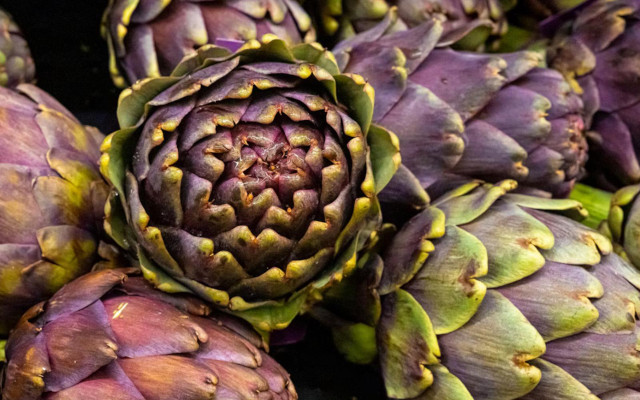
Globe artichoke (Cynara cardunculus var. scolymus L.) cultivation generates substantial quantities of by-products, with approximately 80–85% of the plant material consisting of non-edible portions such as external bracts, stems, residual leaves, stalks, roots, and seeds (Colombo et al., 2024). Italy, as the world’s leading producer with 390 kilotonnes annually, has pioneered efforts in valorising these agricultural residues, transforming what was once considered waste into valuable functional ingredients for food applications. The comprehensive review by Colombo and colleagues (2024) examines the chemical composition, biological activities, and diverse food applications of artichoke by-products (ABPs), highlighting their potential contribution to circular economy initiatives.
The principal ABPs – bracts and stems – are characterised by rich concentrations of bioactive compounds, particularly polyphenols (1–8% dry matter) and dietary fibre (Colombo et al., 2024). The polyphenolic fraction comprises predominantly caffeoylquinic acids (CQAs), dicaffeoylquinic acids (diCQAs), and flavones such as luteolin and apigenin, with 5-CQA and 1,5-diCQA identified as the major compounds (Pandino et al., 2013). Notably, stems exhibit higher CQA concentrations, whilst bracts demonstrate elevated flavone content, particularly luteolin (Colombo et al., 2024; Pagano et al., 2016).
Beyond polyphenols, ABPs contain significant quantities of complex carbohydrates, including both insoluble fibre (cellulose, hemicellulose, lignin – approximately 35 g/100 g dry matter) and soluble fibre (inulin, pectin, β-glucans – approximately 20 g/100 g dry matter) (Colombo et al., 2024). The inulin content is particularly noteworthy, ranging from 20–30% dry weight depending on cultivar, with degrees of polymerisation (DP) typically between 32–42 (Fissore et al., 2014; Zeaiter et al., 2019). Additionally, bracts contain sesquiterpene lactones, predominantly cynaropicrin (20.8 mg/g dry matter), which contributes to the characteristic bitter taste and possesses documented gastrointestinal benefits (Matsumoto et al., 2021).
Extraction methodologies and green technologies
The recovery of bioactive compounds from ABPs requires optimisation of extraction parameters to maximise yield whilst maintaining sustainability principles. Colombo et al. (2024) highlight that green extraction methodologies have emerged as viable alternatives to conventional solvent-based approaches, including pressurised liquid extraction (PLE), pressurised hot water extraction (PHWE), microwave-assisted extraction (MAE), and ultrasound-assisted extraction (UAE). Temperature and solvent composition critically influence extraction efficiency; optimal polyphenol recovery from bracts occurs at 60–75°C using 50–75% ethanol solutions, while PHWE demonstrates superior results at medium-high temperatures (≤120°C) with low ethanol percentages (≤10%) (Maietta et al., 2017; Pagano et al., 2018).
The silage fermentation process represents an important preservation method for ABPs, particularly for animal feed applications. This anaerobic fermentation enhances the growth of lactic acid bacteria (Lactobacillus, Lactococcus, Serratia, and Weissella), resulting in increased short-chain fatty acids production and improved organoleptic properties (Fan et al., 2020; Monllor et al., 2020). Pre-treatments such as blanching and boiling can significantly augment nutrient extraction yields, with thermal processing before extraction particularly effective in increasing inulin recovery from stems (53% w/w dry matter) compared to bracts (44.7% w/w dry matter) (Fissore et al., 2014).
Biological properties and health benefits
ABPs exhibit a diverse array of biological activities attributable to their phytochemical composition. The hypolipidemic effect has been demonstrated in Syrian hamsters fed high-fat diets supplemented with 20% ABP fibre, resulting in decreased triglycerides, total cholesterol, and low-density lipoprotein (LDL) levels, alongside reduced hepatic lipid accumulation (Villanueva-Suárez et al., 2019). Similarly, sesquiterpene derivatives, particularly cynaropicrin, aguerin B, and grosheimin, demonstrate capacity to reduce triglyceride levels in lipid-loaded murine models through modulation of gastric emptying and intestinal absorption (Shimoda et al., 2003).
The anti-inflammatory properties of ABPs are well documented, with aqueous stem extracts obtained via pulsed electric field treatment effectively reducing interleukin-6 (IL-6) and monocyte chemoattractant protein-1 (MCP-1) expression in human THP-1 macrophages (Carpentieri et al., 2022). Bract ethanolic extracts demonstrate significant inhibition of prostaglandin synthesis and inflammatory cell migration in carrageenan-induced paw oedema models, correlating with decreased cyclo-oxygenase-2 (COX-2) expression (Salem et al., 2017). The antioxidant activity of ABPs, primarily attributed to 5-CQA, 1,3-diCQA, 1,5-diCQA, and luteolin, exhibits direct correlation with polyphenolic content, effectively reducing reactive oxygen species production in intestinal Caco-2 cell models exposed to hydrogen peroxide (Jiménez-Moreno et al., 2019).
Antimicrobial properties represent another significant bioactivity, with methanolic stem extracts demonstrating efficacy against both Gram-positive bacteria (Staphylococcus aureus, Streptococcus agalactiae) and select Gram-negative strains (Enterococcus faecium), achieving minimum inhibitory concentrations of 1 mg/mL (Mejri et al., 2020). The prebiotic effect of ABPs is primarily mediated through inulin-type fructans with high DP values (32–42), which stimulate proliferation of Lactobacillus acidophilus and Bifidobacterium bifidum more effectively than commercial fructooligosaccharides, with optical density increases from 0.1 to 0.5–1.5 after 48 hours of anaerobic incubation (Zeaiter et al., 2019).
Functional properties and technological applications
The rheological properties of ABPs render them suitable as food additives, particularly in formulations requiring thickening, gelling, or stabilising agents. Fibre extracts rich in inulin and low-degree methyl-esterified pectin form rigid gels in the presence of calcium, exhibiting pseudoplastic behaviour with viscosity dependent on shear rate (Fissore et al., 2014).
The emulsifying properties of bract extracts at concentrations of 2% enhance emulsion stability by reducing coalescence and flocculation processes, attributable to the synergistic effects of soluble fibre, amphiphilic proteins, and insoluble fibre components (Colombo et al., 2024).
Water-holding capacity (WHC) and oil-holding capacity (OHC) represent critical functional attributes for bakery applications, with ABP fibre demonstrating values of 8.17 g/g dry matter and 16.17 g oil/g sample, respectively (Boubaker et al., 2016). These properties facilitate moisture retention during baking processes, extending shelf life and improving product palatability.
Food industry applications
Bakery products
The incorporation of ABP fibre into wheat-based products significantly modulates textural and sensory characteristics. Boubaker et al. (2016) demonstrated that 2% fibre addition to wheat flour improves dough water absorption capacity, tenacity, and stability through enhanced interactions between fibre hydroxyl groups, gluten, and water molecules. The resultant bread exhibits increased hardness and chewiness with slightly reduced specific volume and darker crumb colour (Canale et al., 2022). Whole-wheat biscuits enriched with 4% ABP extract maintain sensory qualities during both normal and accelerated storage conditions, demonstrating superior polyphenol retention compared to control formulations, thereby delaying oxidative degradation and fat rancidity (San José et al., 2023).
Dairy products
In dairy applications, ABPs serve as rheological modifiers and prebiotic agents. Artichoke leaf extracts rich in inulin enhance yoghurt viscosity and creaminess, reducing serum separation and syneresis through formation of stabilised casein micelle complexes, potentially functioning as fat replacers (El-Kholy et al., 2023). The extracts promote viability of probiotic bacteria (L. acidophilus LA-5 and B. lactis BB-12) during fermentation and storage, although sesquiterpene lactones may impart undesirable bitter flavours (Ehsani et al., 2018). Aspartic proteases (cardosins and cyprosins) extracted from residual leaves exhibit milk-clotting properties suitable for cheese production, producing products with creamy, soft textures due to strong proteolytic activity on bovine κ-casein (Esposito et al., 2016).
Meat products and preservation
ABP extracts function as natural antioxidants in meat preservation, demonstrating efficacy comparable to synthetic butylated hydroxytoluene (BHT) in raw beef patties during refrigerated storage. Ergezer and Serdaroğlu (2018) reported significant reductions in primary and secondary lipid oxidation products (hydroperoxides, malondialdehyde) and protein oxidation markers (carboxylic compounds), with concurrent protective effects on myoglobin haem molecules, thereby maintaining desirable red colouration. At concentrations of 1000 ppm, ABP extracts exhibit antimicrobial activity against pathogenic bacteria (Escherichia coli, Listeria monocytogenes) whilst demonstrating concentration-dependent inhibition of psychrophilic and coliform bacterial growth (Ergezer et al., 2018).
Functional foods and nutraceutical applications
The integration of ABPs into functional food formulations enables development of products with enhanced health-promoting properties. Bread enriched with 3–9% stem extracts maintains antioxidant and hypoglycaemic activities following simulated gastrointestinal digestion, attributed to high duodenal bioavailability of polyphenols and cynaropicrin, with demonstrated α-glucosidase inhibition potentially modulating glucose absorption (Colantuono et al., 2018). Wheat flour-based chips incorporating artichoke bracts and omega-3-rich fish oil exhibit positive cardiovascular effects in diabetic murine models, reducing blood glucose, triglycerides, total cholesterol, and LDL whilst increasing high-density lipoprotein (HDL) concentrations (Benkhoud et al., 2021).
Fresh pasta enriched with inulin extracted from artichoke roots demonstrates prebiotic properties, conferring protective effects against pathogenic E. coli colonisation and colorectal disorders, with additional beneficial modulation of glucose and lipid metabolism (Difonzo et al., 2022). Clinical investigations corroborate these findings; administration of artichoke leaf extract to chronic kidney disease patients for six weeks resulted in significant reductions in total cholesterol and LDL levels, with concurrent appetite suppression, independent of triglyceride and HDL alterations (Gatmiri et al., 2019).
Regulatory perspectives and future directions
Current European Union regulatory frameworks present both opportunities and challenges for ABP commercialisation. The BelFrIt list – a register of botanical substances and preparations permitted in food supplements compiled by Belgium, France, and Italy and notified to the European Commission (European Commission, 2017) – includes artichoke heads and leaves for food supplement production, with declared effects spanning digestive, depurative, antioxidant, and hepatoprotective functions (Italian Ministry of Health, 2018).
However, proposed health claims regarding renal water elimination and gastrointestinal benefits have not received European Food Safety Authority (EFSA) authorisation (Commission Regulation EU No. 432/2012). A notable exception is the 2023 authorised health claim for a complex formulation containing artichoke leaf extract standardised in caffeoylquinic acids, approved for LDL-cholesterol reduction (Commission Regulation EU No. 648/2023).
Furthermore, the Committee on Herbal Medicinal Products (HMPC) recognition of dried artichoke leaves containing minimum 0.8% 5-CQA for functional dyspepsia and lipid-lowering applications provides precedent for therapeutic validation (European Medicines Agency, 2024).
Animal feed applications
Ensiled ABPs represent sustainable alternatives for livestock nutrition, particularly in intensive farming systems. The ensilage process in commercial round bale silos produces microbiologically stable products with low pH, elevated lactic acid content, and minimal contamination by enterobacteria, clostridia, and yeasts, maintaining quality for more than six months (Monllor et al., 2020). Incorporation of ensiled outer bracts (0–25%) in dairy goat diets affects protein and fibre content while preserving milk production, composition, and coagulating properties, with no off-flavour formation (Muelas et al., 2017).
The lipid profile of milk from goats fed ensiled bracts demonstrates elevated concentrations of oleic acid, polyunsaturated fatty acids, and conjugated linoleic acid, possessing anti-atherogenic and anti-obesity properties (Monllor et al., 2020). Long-term feeding trials with 40% artichoke by-product silage confirm maintenance of milk yield, nutritional composition, and animal health status, with enhanced mineral content (calcium, zinc, manganese, copper) in resultant dairy products (Monllor et al., 2023). The organoleptic properties, including palatability and aroma of milk and derivatives (cheese, yoghurt), remain acceptable, supporting broader adoption of ABP-based feeds (Meneses et al., 2020).
Conclusions
Globe artichoke by-products represent a paradigm of circular economy principles, transforming agricultural waste into valuable functional ingredients with demonstrated biological activities and technological applications. The rich phytochemical composition – particularly polyphenols, dietary fibre, and inulin – confers diverse health benefits including hypolipidemic, hypoglycaemic, antioxidant, anti-inflammatory, antimicrobial, and prebiotic properties. Green extraction technologies enable sustainable recovery of these bioactives and fibres at potentially industrial scales, supporting environmentally responsible valorisation strategies.
The versatility of ABPs across food industry sectors – from bakery products and dairy formulations to meat preservation and functional foods – demonstrates their commercial viability as natural additives and health-promoting ingredients. While regulatory challenges regarding health claims persist, the established use of artichoke preparations in herbal medicine provide encouraging precedents.
Future research should focus on optimising extraction protocols, conducting comprehensive clinical trials to substantiate health claims, and exploring novel food applications to fully realise the nutraceutical potential of these underutilised agricultural residues. The integration of ABP valorisation into mainstream food production systems offers significant opportunities for sustainable agriculture, waste reduction, and development of functional foods addressing contemporary nutritional challenges.
References
- Benkhoud, H., Baâti, T., Njim, L., Selmi, S., & Hosni, K. (2021). Antioxidant, antidiabetic, and antihyperlipidemic activities of wheat flour-based chips incorporated with omega-3-rich fish oil and artichoke powder. Journal of Food Biochemistry, 45(1), e13297. https://doi.org/10.1111/jfbc.13297
- Boubaker, M., Omri, A. E., Blecker, C., & Bouzouita, N. (2016). Fibre concentrate from artichoke (Cynara scolymus L.) stem by-products: Characterization and application as a bakery product ingredient. Food science and technology international = Ciencia y tecnologia de los alimentos internacional, 22(8), 759–768. https://doi.org/10.1177/1082013216654598
- Canale, M., Spina, A., Summo, C., Strano, M. C., Bizzini, M., Allegra, M., Sanfilippo, R., Amenta, M., & Pasqualone, A. (2022). Waste from artichoke processing industry: Reuse in bread-making and evaluation of the physico-chemical characteristics of the final product. Plants, 11(24), 3409. https://doi.org/10.3390/plants11243409
- Carpentieri, S., Augimeri, G., Ceramella, J., Vivacqua, A., Sinicropi, M. S., Pataro, G., Bonofiglio, D., & Ferrari, G. (2022). Antioxidant and anti-inflammatory effects of extracts from pulsed electric field-treated artichoke by-products in lipopolysaccharide-stimulated human THP-1 macrophages. Foods, 11(15), 2250. https://doi.org/10.3390/foods11152250
- Colombo, R., Moretto, G., Pellicorio, V., & Papetti, A. (2024). Globe artichoke (Cynara scolymus L.) by-products in food applications: Functional and biological properties. Foods, 13(10), 1427. https://doi.org/10.3390/foods13101427
- Colantuono, A., Ferracane, R., & Vitaglione, P. (2018). Potential bioaccessibility and functionality of polyphenols and cynaropicrin from breads enriched with artichoke stem. Food chemistry, 245, 838–844. https://doi.org/10.1016/j.foodchem.2017.11.099
- Commission Regulation (EU) No. 432/2012 of 16 May 2012 establishing a list of permitted health claims made on foods, other than those referring to the reduction of disease risk and to children’s development and health. Consolidated text: 20/08/2025 http://data.europa.eu/eli/reg/2012/432/2025-08-20
- Commission Regulation (EU) No. 648/2023 of 20 March 2023 authorising a health claim made on foods and referring to the reduction of disease risk. http://data.europa.eu/eli/reg/2023/648/oj
- Difonzo, G., de Gennaro, G., Caponio, G. R., Vacca, M., dal Poggetto, G., Allegretta, I., Immirzi, B., & Pasqualone, A. (2022). Inulin from globe artichoke roots: A promising ingredient for the production of functional fresh pasta. Foods, 11(19), 3032. https://doi.org/10.3390/foods11193032
- Ehsani, J., Mohesenzadeh, M., Khomeiri, M., & Ghasemnezhad, A. (2018). Effect of inulin extracted from artichoke (Cynara scolymus L.) root on biochemical properties of synbiotic yogurt at the end of fermentation. Iranian Journal of Chemistry and Chemical Engineering, 37(1), 219–230. https://doi.org/10.30492/ijcce.2018.26864
- El-Kholy, W. M., Bisar, G. H., & Aamer, R. A. (2023). Impact of inulin extracted, purified from (chicory and globe artichoke) roots and the combination with maltodextrin as prebiotic dietary fiber on the functional properties of stirred bio-yogurt. Food and Nutrition Sciences, 14(1), 70–89. https://doi.org/10.4236/fns.2023.142006
- Ergezer, H., Kaya, H. I., & Şimşek, Ö. (2018). Antioxidant and antimicrobial potential of artichoke (Cynara scolymus L.) extract in beef patties. Czech Journal of Food Sciences, 36(2), 154–162. https://doi.org/10.17221/179/2017-CJFS
- Ergezer, H., & Serdaroğlu, M. (2018). Antioxidant potential of artichoke (Cynara scolymus L.) byproducts extracts in raw beef patties during refrigerated storage. Journal of Food Measurement and Characterization, 12(2), 982–991. https://doi.org/10.1007/s11694-017-9713-0
- Esposito, M., Di Pierro, P., Dejonghe, W., Mariniello, L., & Porta, R. (2016). Enzymatic milk clotting activity in artichoke (Cynara scolymus) leaves and alpine thistle (Carduus defloratus) flowers. Immobilization of alpine thistle aspartic protease. Food chemistry, 204, 115–121. https://doi.org/10.1016/j.foodchem.2016.02.060
- European Commission. (2017). TRIS notification 2017/0276/I: Italian Ministry of Health – Decree regulating the use of vegetable substances and preparations in food supplements. https://technical-regulation-information-system.ec.europa.eu/en/notification/18169
- European Medicines Agency. (2024). Herbal medicines. https://www.ema.europa.eu/
- Fan, Z., Chen, K., Ban, L., Mao, Y., Hou, C., & Li, J. (2020). Silage fermentation: A potential biological approach for the long-term preservation and recycling of polyphenols and terpenes in globe artichoke (Cynara scolymus L.) by-products. Molecules, 25(14), 3302. https://doi.org/10.3390/molecules25143302
- Fissore, E. N., Santo Domingo, C., Pujol, C. A., Damonte, E. B., Rojas, A. M., & Gerschenson, L. N. (2014). Upgrading of residues of bracts, stems and hearts of Cynara cardunculus L. var. scolymus to functional fractions enriched in soluble fiber. Food & function, 5(3), 463–470. https://doi.org/10.1039/c3fo60561b
- Gatmiri, S. M., Khadem, E., Fakhrian, T., Kamalinejad, M., Hosseini, H., Ghorat, F., Alamdari, A., & Naderi, N. (2019). The effect of artichoke leaf extract supplementation on lipid profile of chronic kidney disease patients: A double-blind, randomized clinical trial. Journal of Renal Injury Prevention, 8(3), 225–229. https://doi.org/10.15171/jrip.2019.42
- Italian Ministry of Health (2018, 10 August 2018). Decreto recante disciplina dell’impiego negli integratori alimentari di sostanze e preparati vegetali. Gazzetta Ufficiale della Repubblica Italiana. https://www.gazzettaufficiale.it/eli/id/2018/09/26/18A06095/sg
- Jiménez-Moreno, N., Cimminelli, M. J., Volpe, F., Ansó, R., Esparza, I., Mármol, I., Rodríguez-Yoldi, M. J., & Ancín-Azpilicueta, C. (2019). Phenolic composition of artichoke waste and its antioxidant capacity on differentiated Caco-2 cells. Nutrients, 11(8), 1723. https://doi.org/10.3390/nu11081723
- Maietta, M., Colombo, R., Lavecchia, R., Sorrenti, M., Zuorro, A., & Papetti, A. (2017). Artichoke (Cynara cardunculus L. var. scolymus) waste as a natural source of carbonyl trapping and antiglycative agents. Food Research International, 100, 780–790. https://doi.org/10.1016/j.foodres.2017.08.007
- Matsumoto, T., Nakashima, S., Nakamura, S., Hattori, Y., Ando, T., & Matsuda, H. (2021). Inhibitory effects of cynaropicrin and related sesquiterpene lactones from leaves of artichoke (Cynara scolymus L.) on induction of iNOS in RAW264.7 cells and its high-affinity proteins. Journal of natural medicines, 75(2), 381–392. https://doi.org/10.1007/s11418-020-01479-6
- Mejri, F., Baati, T., Martins, A., Selmi, S., Serralheiro, M. L., Falé, P. L., Rauter, A., Casabianca, H., & Hosni, K. (2020). Phytochemical analysis and in vitro and in vivo evaluation of biological activities of artichoke (Cynara scolymus L.) floral stems: Towards the valorization of food by-products. Food Chemistry, 333, 127506. https://doi.org/10.1016/j.foodchem.2020.127506
- Meneses, M., Martínez-Marín, A. L., Madrid, J., Martínez-Teruel, A., Hernández, F., & Megías, M. D. (2020). Ensilability, in vitro and in vivo values of the agro-industrial by-products of artichoke and broccoli. Environmental science and pollution research international, 27(3), 2919–2925. https://doi.org/10.1007/s11356-019-07142-2
- Monllor, P., Romero, G., Sendra, E., Atzori, A. S., & Díaz, J. R. (2020). Short-term effect of the inclusion of silage artichoke by-products in diets of dairy goats on milk quality. Animals, 10(2), 339. https://doi.org/10.3390/ani10020339
- Monllor, P., Zemzmi, J., Muelas, R., Roca, A., Sendra, E., Romero, G., & Díaz, J. R. (2023). Long-term feeding of dairy goats with 40% artichoke by-product silage preserves milk yield, nutritional composition and animal health status. Animals, 13(22), 3585. https://doi.org/10.3390/ani13223585
- Muelas, R., Romero, G., Díaz, J. R., Monllor, P., Fernández-López, J., Viuda-Martos, M., Cano-Lamadrid, M., & Sendra, E. (2017). Milk technological properties as affected by including artichoke by-products silages in the diet of dairy goats. Foods, 6(12), 112. https://doi.org/10.3390/foods6120112
- Pagano, I., Piccinelli, A. L., Celano, R., Campone, L., Gazzerro, P., Russo, M., & Rastrelli, L. (2018). Pressurized hot water extraction of bioactive compounds from artichoke by-products. Electrophoresis, 10.1002/elps.201800063. Advance online publication. https://doi.org/10.1002/elps.201800063
- Pagano, I., Piccinelli, A. L., Celano, R., Campone, L., Gazzerro, P., De Falco, E., & Rastrelli, L. (2016). Chemical profile and cellular antioxidant activity of artichoke by-products. Food & function, 7(12), 4841–4850. https://doi.org/10.1039/c6fo01443g
- Pandino, G., Lombardo, S., & Mauromicale, G. (2013). Globe artichoke leaves and floral stems as a source of bioactive compounds. Industrial Crops and Products, 44, 44–49. https://doi.org/10.1016/j.indcrop.2012.10.022
- Salem, M. B., Affes, H., Athmouni, K., Ksouda, K., Dhouibi, R., Sahnoun, Z., Hammami, S., & Zeghal, K. M. (2017). Chemicals compositions, antioxidant and anti-inflammatory activity of Cynara scolymus leaves extracts, and analysis of major bioactive polyphenols by HPLC. Evidence-Based Complementary and Alternative Medicine, 2017, 4951937. https://doi.org/10.1155/2017/4951937
- San José, F. J., Collado-Fernández, M., & Álvarez-Castellanos, P. P. (2023). Variation, during shelf life, of functional properties of biscuits enriched with fibers extracted from artichoke (Cynara scolymus L.). Nutrients, 15(15), 3329. https://doi.org/10.3390/nu15153329
- Shimoda, H., Ninomiya, K., Nishida, N., Yoshino, T., Morikawa, T., Matsuda, H., & Yoshikawa, M. (2003). Anti-hyperlipidemic sesquiterpenes and new sesquiterpene glycosides from the leaves of artichoke (Cynara scolymus L.): Structure requirement and mode of action. Bioorganic & Medicinal Chemistry Letters, 13(2), 223–228. https://doi.org/10.1016/s0960-894x(02)00889-2
- Villanueva-Suárez, M. J., Mateos-Aparicio, I., Pérez-Cózar, M. L., Yokoyama, W., & Redondo-Cuenca, A. (2019). Hypolipidemic effects of dietary fiber from an artichoke by-product in Syrian hamsters. Journal of Functional Foods, 56, 156–162. https://doi.org/10.1016/j.jff.2019.03.013
- Zeaiter, Z., Regonesi, M. E., Cavini, S., Labra, M., Sello, G., & Di Gennaro, P. (2019). Extraction and characterization of inulin-type fructans from artichoke wastes and their effect on the growth of intestinal bacteria associated with health. BioMed Research International, 2019, 1083952. https://doi.org/10.1155/2019/1083952

Dario Dongo, lawyer and journalist, PhD in international food law, founder of WIISE (FARE - GIFT - Food Times) and Égalité.