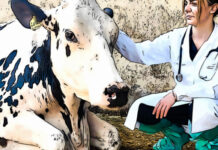


Lumpy skin disease (LSD) represents one of the most economically significant transboundary animal diseases affecting cattle globally, with recent outbreaks in Italy and France marking the first-ever occurrence in these countries.
This comprehensive analysis examines Italy’s National Emergency Plan operational manual (Version 2.0, June 2025) alongside current scientific evidence to provide insights into emergency response protocols, vector-borne transmission mechanisms, and control strategies. The Italian Ministry of Health’s systematic approach to LSD management encompasses clinical recognition, diagnostic procedures, biosecurity measures, and coordinated surveillance systems.
Recent epidemiological developments demonstrate the continued geographic expansion of lumpy skin disease virus (LSDV) across Europe and Asia, highlighting the critical importance of preparedness frameworks and international cooperation in disease containment.
Introduction
Lumpy skin disease has emerged as a critical threat to global livestock production, with its recent incursion into previously free European territories marking a significant epidemiological milestone (Ministero della Salute, 2025). The disease, caused by lumpy skin disease virus (LSDV), belongs to the genus Capripoxvirus within the family Poxviridae and represents a transboundary animal disease of major economic importance (Hidayatik et al., 2025). Italy confirmed its first outbreak of LSD on 21 June 2025 in Sardinia, followed by a single outbreak in Lombardy (in Porto Mantovano, MN) and further detections in France. This underscores the dynamic nature of this emerging pathogen and the necessity for robust emergency response frameworks.
The Italian Ministry of Health’s operational manual, developed in collaboration with the National Reference Centre for Exotic Animal Diseases (CESME) at the Istituto Zooprofilattico Sperimentale dell’Abruzzo e del Molise ‘G. Caporale’, provides a comprehensive framework for LSD emergency management. This document represents the culmination of international experience and scientific evidence, offering valuable insights into best practices for disease recognition, containment, and eradication (Ministero della Salute, 2025).
Aetiology and viral characteristics
Lumpy skin disease virus is a large, complex DNA virus measuring approximately 310×240 nm with an oval or parallelepipedal structure (Ministero della Salute, 2025). The viral genome comprises a single linear double-stranded DNA molecule encoding over 150 different proteins, with 156 putative genes, including 146 conserved genes involved in transcription, DNA replication, and virion assembly (Akther et al., 2023). The virus demonstrates close genetic and antigenic relationships with sheeppox virus (SPPV) and goatpox virus (GTPV), sharing considerable sequence homology whilst maintaining distinct host specificity for bovine species.
Environmental persistence represents a critical factor in LSD epidemiology, with the virus demonstrating remarkable stability under various conditions. According to the Italian manual, LSDV can persist in skin nodules for over 33 days, in dried crusts for more than 35 days, and in hide material for over 18 days (Ministero della Salute, 2025). This persistence significantly impacts decontamination protocols and biosecurity measures required for effective disease control.
The virus exhibits pH stability between 6.6 and 8.6 for five days at 37°C but demonstrates sensitivity to various chemical disinfectants including 2-3% sodium hypochlorite, 1% formalin, and quaternary ammonium compounds (Ministero della Salute, 2025). Thermal inactivation occurs at 55°C for two hours or 65°C for 30 minutes, providing important guidance for decontamination procedures.
Clinical presentation and pathogenesis
Lumpy skin disease presents with a characteristic biphasic fever pattern following an incubation period of 2-4 weeks under field conditions (Ministero della Salute, 2025):
- the initial clinical signs include hyperthermia, increased salivation, lacrimation, mucopurulent nasal discharge, keratitis, and lymphadenomegaly;
- these systemic manifestations precede the development of the pathognomonic skin lesions that define the disease.
The characteristic nodular lesions develop in 40-50% of infected animals during the second febrile episode, appearing as well-circumscribed, non-fluctuant, raised nodules measuring 0.5-5 cm in diameter (Ministero della Salute, 2025). These cutaneous manifestations predominantly affect the head, neck, udder, and perineum, though they may occur throughout the body surface. The lesions characteristically develop a circular dark line of necrosis with possible central ulceration and granulation tissue formation.
Reproductive consequences represent a significant aspect of LSD pathogenesis, with abortion rates ranging from 1-7% in pregnant animals and potential orchitis leading to temporary or permanent sterility in bulls (Ministero della Salute, 2025). Milk production typically decreases substantially, contributing to the significant economic impact of the disease.
Recent pathological investigations have revealed variable mortality patterns across different regions, with Indian studies reporting case fatality rates of 9.37% during recent epidemics, significantly higher than traditional estimates (Manjunathareddy et al., 2024). This variability may reflect differences in viral strains, host susceptibility, as well as environmental and management factors.
Transmission mechanisms and vector biology
Vector-borne transmission represents the primary mode of LSDV dissemination, with mechanical transmission by blood-feeding arthropods being the most significant epidemiological pathway (Ministero della Salute, 2025). The Italian manual identifies multiple arthropod vectors, including flies, mosquitoes, ticks, and Culicoides species, each playing distinct roles in disease transmission dynamics.
Recent research has expanded understanding of vector competence and transmission efficiency. Studies have identified stable flies (Stomoxys calcitrans), mosquitoes (Aedes aegypti), and hard ticks (Rhipicephalus and Amblyomma species) as the most likely vectors for LSDV transmission (Tuppurainen et al., 2019). Importantly, new evidence suggests that the ubiquitous house fly (Musca domestica) may also contribute to transmission, expanding the potential vector spectrum beyond traditional blood-feeding arthropods.
Non-vector transmission has gained increased attention following experimental evidence of direct contact transmission under vector-free conditions (Kononov et al., 2020). This finding challenges traditional understanding and may explain winter outbreaks and geographic spread patterns inconsistent with vector activity. The underlying mechanisms of contact transmission are not yet fully understood. Transmission may also occur via contaminated fomites — surfaces or objects that have harbouring pathogens —through shared water sources, or by respiratory droplets expelled during breathing, coughing, or sneezing.
Seasonal patterns of LSD outbreaks typically correlate with arthropod activity, with peak transmission occurring during warmer months characterised by increased vector abundance and host-seeking behaviour (Ministero della Salute, 2025). However, the occurrence of outbreaks outside optimal vector seasons suggests multiple transmission pathways may operate simultaneously.
Diagnostic approaches and laboratory methods
Rapid and accurate diagnosis represents a cornerstone of effective LSD control, with the Italian manual emphasising real-time PCR as the primary diagnostic method for viral genome detection (Ministero della Salute, 2025). The diagnostic protocol encompasses both direct methods for viral identification and indirect methods for serological surveillance.
Sample collection procedures require careful consideration of disease stage and animal condition. For living animals with clinical signs, skin nodules, crusts, and EDTA-anticoagulated blood represent the optimal specimens for viral detection. Post-mortem examination should focus on lymph nodes, lungs, and cutaneous lesions for comprehensive pathological assessment.
The Italian framework emphasises triple packaging protocols for biosafety during sample transport, following ADR-IATA-ICAO regulations with P650 containers for category B materials (Ministero della Salute, 2025). Cold chain maintenance at 4°C is crucial for sample integrity, with 24-hour delivery to the reference laboratory being mandatory.
Serological testing using ELISA and virus neutralisation methods provides valuable epidemiological information, though cross-reactivity with other capripoxviruses limits differential diagnosis capabilities. Recent advances in recombinant protein-based assays offer improved specificity for vaccine differentiation and surveillance programmes.
Emergency response procedures and surveillance
Italy’s emergency response framework establishes a comprehensive notification system requiring immediate reporting of suspected cases to local veterinary services (Ministero della Salute, 2025). The protocol emphasises rapid response with preliminary investigations to assess case credibility and implement provisional control measures.
Outbreak investigation procedures follow international standards with systematic clinical examination, sampling protocols, and epidemiological tracing. The Italian manual specifies statistical sampling requirements based on herd size, ranging from complete examination of herds with fewer than 20 animals to representative sampling of 59 animals in herds exceeding 4,000 head.
Confirmation procedures require laboratory verification by the National Reference Centre, with immediate notification to regional and national authorities upon positive diagnosis. The framework establishes clear timelines for response implementation and resource mobilisation.
Control zone establishment follows EU regulations with protection zones of a minimum 20 km radius and surveillance zones of 50 km radius around confirmed outbreaks (Ministero della Salute, 2025). Movement restrictions, clinical surveillance, and enhanced biosecurity measures remain in place for specified periods following outbreak resolution.
Control measures and biosecurity protocols
Stamping-out policies – involving the culling of infected or suspected animals, combined with quarantine measures and disinfection – represent the primary control strategy for LSD outbreaks in disease-free areas, with the Italian manual requiring depopulation of affected herds followed by comprehensive disinfection (Ministero della Salute, 2025). This approach aligns with international best practices and EU regulatory requirements for emergency disease control.
Disinfection protocols specify preliminary and final cleaning procedures using approved disinfectants, including sodium hypochlorite, quaternary ammonium compounds, and peracetic acid. Manure treatment requires either steam treatment at 70°C, incineration, deep burial, or composting with thermal monitoring for 42 days minimum.
Vector control measures represent a crucial component of integrated disease management, with recommendations for mechanical cleaning to eliminate arthropod breeding sites, targeted insecticide application, and animal protection using repellents and pour-on formulations (Ministero della Salute, 2025).
Global epidemiological situation
The global distribution of LSD has expanded dramatically since 2012, with the disease spreading from its traditional African range into the Middle East, Balkans, Caucasus, Russian Federation, and Asia (Lee et al., 2024). Recent confirmation of outbreaks in Italy and France represents the westernmost extension of this geographic expansion.
Epidemiological patterns demonstrate seasonal clustering of outbreaks during arthropod-active periods, with peak incidence occurring during late summer months. However, year-round transmission has been documented in some regions, suggesting complex transmission dynamics involving multiple pathways.
Economic impacts of LSD outbreaks extend beyond direct animal losses to include reduced milk production, decreased fertility, hide damage, and trade restrictions. Recent studies from Thailand documented significant financial losses in affected dairy operations, highlighting the economic significance of the disease.
Strain diversity analysis reveals multiple LSDV lineages circulating globally, with recombinant strains identified in several regions. Molecular epidemiology studies suggest independent introduction events rather than a continuous spread from single sources, complicating outbreak investigation and control planning.
Biosecurity and risk management
Biosecurity protocols represent the primary defence against LSD introduction and spread, with movement controls being particularly critical for long-distance transmission prevention. The Italian manual emphasises comprehensive biosecurity, including visitor restrictions, vehicle disinfection, and personnel hygiene (Ministero della Salute, 2025).
Risk assessment methodologies have identified animal movements and vector transport as the highest-risk pathways for LSD introduction. Quantitative risk models provide valuable tools for policy development and resource allocation for surveillance programmes.
Early detection systems rely on clinical surveillance, serological monitoring, and syndromic surveillance approaches. Passive surveillance through veterinary reporting networks provides cost-effective detection capabilities, whilst active surveillance in high-risk areas offers enhanced sensitivity.
International cooperation remains essential for effective LSD control, with information sharing, coordinated responses, and harmonised standards being crucial for transboundary disease management. Recent outbreaks in Italy and France highlight the importance of rapid notification and coordinated response mechanisms.
Vaccination strategies and immunological considerations
Vaccination programmes have proven highly effective in LSD control, with mass vaccination campaigns successfully eradicating outbreaks in southeastern Europe between 2015-2019 (Calistri et al., 2020). Homologous vaccines using live-attenuated LSDV strains offer superior protection compared to heterologous vaccines based on sheep pox virus.
Recent vaccine development efforts focus on improved safety profiles and DIVA capabilities (Differentiate Infected from Vaccinated Animals). Recombinant vaccines and subunit vaccines seem to represent promising alternatives to traditional live vaccines, potentially offering enhanced safety for pregnant animals and immunocompromised herds.
Immunological responses to LSD infection and vaccination involve both humoral and cell-mediated immunity. Antibody responses provide long-term protection against reinfection, with neutralising antibodies persisting for years following natural infection or vaccination.
Vaccine efficacy depends on multiple factors, including vaccine strain, administration route, timing, and host factors. Ring vaccination strategies, which involve vaccinating individuals (or herds) located around an identified outbreak, thereby creating an ‘immunological barrier’ to prevent the further spread of infection, have proven effective in outbreak control. However, mass vaccination may be necessary in high-risk areas.
Future challenges and research directions
Climate change may significantly impact LSD epidemiology through altered vector distributions, extended transmission seasons, and modified host susceptibility. Predictive models incorporating climate variables will become increasingly important for risk assessment and preparedness planning.
Antimicrobial resistance in secondary bacterial infections represents an emerging concern, with prolonged treatment courses potentially selecting for resistant pathogens. Integrated treatment approaches combining supportive care with targeted antimicrobial therapy may help mitigate this risk.
Vaccine development priorities include improved safety profiles, enhanced efficacy, DIVA capabilities, and thermostable formulations for resource-limited settings. Novel vaccine platforms, including viral vectors and mRNA vaccines, offer promising approaches for next-generation LSD vaccines.
Diagnostic innovations focus on point-of-care testing, multiplexed assays, and CRISPR-based detection systems. Pen-side diagnostics could revolutionise outbreak response by enabling rapid case confirmation and immediate control implementation.
Interim conclusions
The Italian Ministry of Health’s comprehensive emergency response framework for lumpy skin disease represents a state-of-the-art approach to transboundary animal disease management. The recent outbreaks in Italy and France demonstrate the continued geographic expansion of LSDV and underscore the importance of preparedness planning and international cooperation.
Integrated control strategies combining surveillance, rapid response, vaccination, and biosecurity measures have proven effective in previous outbreaks and remain the cornerstone of LSD management. The dynamic nature of LSD epidemiology requires continuous adaptation of control strategies based on emerging evidence and changing risk factors.
Future research should focus on improved understanding of transmission mechanisms, vaccine development, diagnostic innovations, and climate change impacts on disease epidemiology. International collaboration remains essential for effective response to this transboundary threat to global livestock production.
The Italian manual provides a valuable template for other countries developing LSD preparedness plans, whilst recent outbreaks offer important lessons for future response strategies. Continued vigilance and scientific innovation will be crucial for protecting global cattle populations from this emerging disease threat.
Dario Dongo
Cover art copyright © 2025 Dario Dongo (AI-assisted creation)
References
- Akther, M., Akter, S. H., Sarker, S., Aleri, J. W., Annandale, H., Abraham, S., & Uddin, J. M. (2023). Global burden of lumpy skin disease, outbreaks, and future challenges. Viruses, 15(9), 1861. https://doi.org/10.3390/v15091861
- Calistri, P., De Clercq, K., Gubbins, S., Klement, E., Stegeman, A., Broglia, A., Antoniou, S. E., Bakan, S., Banihashem, F., Papanikolaou, A., Podaliri, M., Sotiria-Eleni, A., Nöckler, K., Serratosa, J., Stahl, K., Stegeman, J. A., & Vergne, T. (2020). Lumpy skin disease epidemiological report IV: Data collection and analysis. EFSA Journal, 18(2), e06010. https://doi.org/10.2903/j.efsa.2020.6010
- Di Giuseppe, A., Zenobio, V., Dall’Acqua, F., Di Sabatino, D., & Calistri, P. (2024). Lumpy skin disease: A growing threat to cattle. Veterinary Clinics of North America: Food Animal Practice, 40(2), 261-276. https://doi.org/10.1016/j.cvfa.2024.01.002
- Hidayatik, N., Khairullah, A. R., Yuliani, M. G. A., Hestianah, E. P., Novianti, A. N., Damayanti, A. N., Hisyam, M. A. M., Moses, I. B., Ahmad, R. Z., Wardhani, B. W. K., Wibowo, S., & Kurniasih, D. A. A. (2025). Lumpy skin disease: A growing threat to the global livestock industry. Open Veterinary Journal, 15(2), 541-555. https://doi.org/10.5455/OVJ.2025.v15.i2.5
- Kononov, A., Prutnikov, P., Shumilova, I., Kononova, S., Nesterov, A., Byadovskaya, O., Pestova, Y., Diev, V., Sprygin, A., & Krutko, S. (2020). Non-vector-borne transmission of lumpy skin disease virus. Scientific Reports, 10(1), 7436. https://doi.org/10.1038/s41598-020-64029-w
- Lee, S., Baker, C. M., Sellens, E., Stevenson, M. A., Roche, S., Hall, R. N., Breed, A. C., & Firestone, S. M. (2024). A systematic review of epidemiological modelling in response to lumpy skin disease outbreaks. Frontiers in Veterinary Science, 11, 1459293. https://doi.org/10.3389/fvets.2024.1459293
- Manjunathareddy, G. B., Saminathan, M., Sanjeevakumar, L., Rao, S., Dinesh, M., Dhama, K., Singh, K. P., & Tripathi, B. N. (2024). Pathological, immunological and molecular epidemiological analysis of lumpy skin disease virus in Indian cattle during a high-mortality epidemic. Veterinary Quarterly, 44(1), 1-22. https://doi.org/10.1080/01652176.2024.2398211
- Ministero della Salute. (2025). Piano nazionale per le emergenze di tipo epidemico: Manuale operativo lumpy skin disease (dermatite nodulare contagiosa) (Version Rev. 2.0). Direzione Generale della Salute Animale, Ufficio 3 – Centro Nazionale di lotta ed emergenza contro le malattie animali.
- Namazi, F., & Khodakaram, T. A. (2021). Lumpy skin disease, an emerging transboundary viral disease: A review. Veterinary Medicine and Science, 7(3), 888-896. https://doi.org/10.1002/vms3.434
- Tuppurainen, E., Alexandrov, T., & Beltrán-Alcrudo, D. (2017). Lumpy skin disease field manual: A manual for veterinarians (FAO Animal Production and Health Manual No. 20). Food and Agriculture Organization of the United Nations. ISBN: 978-92-5-109711-6
- Tuppurainen, E., Venter, E., Shisler, J., Gari, G., Mekonnen, G., Juleff, N., Lyons, N., De Clercq, K., Upton, C., Bowden, T., Babiuk, S., & Babiuk, L. (2017). Review: Capripoxvirus diseases: Current status and opportunities for control. Transboundary and Emerging Diseases, 64(3), 729-745. https://doi.org/10.1111/tbed.12444
- Tuppurainen, E., & Oura, C. A. (2012). Review: Lumpy skin disease: An emerging threat to Europe, the Middle East and Asia. Transboundary and Emerging Diseases, 59(1), 40-48. https://doi.org/10.1111/j.1865-1682.2011.01242.x
- World Organisation for Animal Health. (2025). Statement on recent lumpy skin disease outbreaks in Europe.

Dario Dongo, lawyer and journalist, PhD in international food law, founder of WIISE (FARE - GIFT - Food Times) and Égalité.