
A recent study published in Molecules has demonstrated the successful incorporation of blueberry leaves powder (BBLP) into cookies, offering a promising strategy for developing functional foods while upcycling agricultural by-products. The research, conducted by Santuccione et al. (2025), explored how varying levels of BBLP affect the nutritional, physical, and sensory properties of wheat-soy flour-based cookies, providing valuable insights into sustainable food innovation.
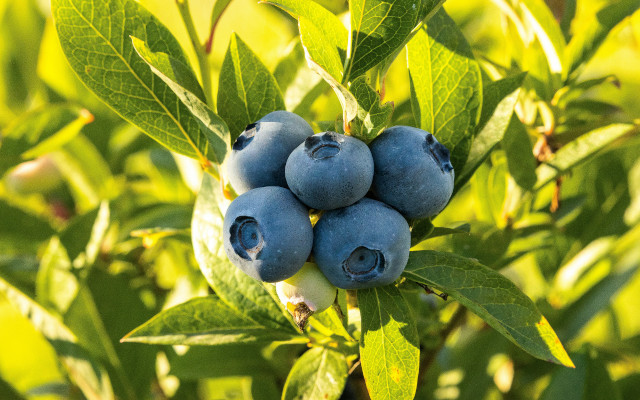
Blueberry (Vaccinium spp.) leaves represent a significant yet underutilised biomass from pruning operations in global blueberry production, which exceeded 1.8 million metric tons in 2021 (Santuccione et al., 2025). Previous research has established that blueberry leaves contain higher concentrations of bioactive compounds than the fruit itself, including chlorogenic acid, quercetin glycosides, catechins, and anthocyanins (Stefănescu et al., 2019; Wang et al., 2025). The characterisation of BBLP in this study revealed 8.2% protein, 44% total dietary fibre (predominantly insoluble), and substantial antioxidant activity of 2109 ± 20 mg gallic acid equivalents/100 g (Santuccione et al., 2025).
Methodological approach and cookie formulation
The researchers employed a systematic approach by substituting a wheat-soy flour blend with BBLP at four levels: 0%, 2.5%, 5.0%, and 7.5%. The flour blend comprised 60% wheat and 40% soy flour, designed to optimise lysine content through amino acid complementation (Santuccione et al., 2025). Comprehensive analyses included proximate composition following AOAC methods, total dietary fibre determination using enzymatic-gravimetric assays, and antioxidant capacity assessment via Folin-Ciocalteu and ABTS assays. Physical properties were evaluated through standardised measurements of diameter, thickness, hardness, and colour using CIELAB parameters, whilst sensory analysis employed Quantitative Descriptive Analysis with a trained panel of eight evaluators (Santuccione et al., 2025).
Nutritional and functional outcomes
All BBLP-enriched cookies qualified as a ‘source of fibre‘ and even ‘high fibre’ according to Codex Alimentarius guidelines (CAC/GL 23-1997) and EU Regulation (EC) No 1924/2006, with total dietary fibre increasing from 5.6% in control samples to 7.8% at 7.5% BBLP (Santuccione et al., 2025). The cookies also achieved ‘high in calcium’ status (1108–1182 mg/100 g) and met ‘low in sodium’ criteria (96–103 mg/100 g). Total phenolic content increased progressively from 158 mg GAE/100 g in control cookies to 313 mg GAE/100 g at 7.5% BBLP, demonstrating retention of bioactive compounds after baking (Santuccione et al., 2025). This retention is consistent with findings by Žilić et al. (2016), who attributed sustained antioxidant activity in baked products to both bound phenolics and thermally induced Maillard reaction products.
Physical and sensory modifications
The incorporation of BBLP significantly influenced cookie texture and appearance. Hardness increased from approximately 9 N in control samples to 13–14 N at higher BBLP levels, whilst diameter and thickness decreased, attributed to the high insoluble fibre content disrupting the gluten network and reducing dough extensibility (Santuccione et al., 2025). Similar effects have been reported by Mancebo et al. (2018) in cookies enriched with bamboo, potato, and pea fibres. Colour analysis revealed progressive darkening (L* values declining from 49 to 25) with increased redness(a*) and decreased yellowness (b*), consistent with the presence of anthocyanins and phenolic pigments naturally abundant in blueberry leaves (Santuccione et al., 2025).
Sensory acceptability and optimal formulation
Quantitative Descriptive Analysis demonstrated that overall acceptability was highest for cookies containing 2.5% BBLP, comparable to the reference formulation without BBLP (Santuccione et al., 2025). Higher concentrations resulted in intensified herbaceous aroma and taste, likely attributable to phenolic compounds such as chlorogenic acid and flavonol glycosides, which contribute bitter and astringent sensations (Drewnowski & Gomez-Carneros, 2000; Osakabe et al., 2024). Principal Component Analysis revealed that the 2.5% BBLP formulation occupied an intermediate position, balancing enhanced nutritional properties with sensory quality – specifically maintaining crispness whilst delivering functional benefits (Santuccione et al., 2025).
Implications for functional food development
The study advances the field by demonstrating that whole blueberry leaves powder, rather than isolated extracts, can be successfully incorporated into bakery products to enhance nutritional value whilst supporting circular bioeconomy principles (Santuccione et al., 2025). This approach aligns with sustainable development goals by reintegrating agricultural by-products into the food chain, potentially reducing disposal costs and environmental burdens associated with pruning waste (Arora et al., 2023). The retention of both free and bound phenolics in the whole leaf matrix provides complementary health benefits, with bound phenolics resisting early digestion and supporting colonic fermentation and gut health (Saura-Calixto, 2012; Yao et al., 2021).
Future research directions
While this proof-of-concept study establishes the feasibility of BBLP incorporation, several avenues warrant further investigation. The researchers acknowledge that in vitro antioxidant assays may not fully reflect bioavailability in vivo, necessitating human intervention studies to assess physiological impacts (Santuccione et al., 2025). Additionally, detailed characterisation of specific polyphenolic compounds and dietary fibre fractions would clarify their molecular contributions to observed functional effects. Consumer acceptance studies with larger, demographically diverse populations are essential to validate market potential, while shelf-life studies would inform commercial viability and storage stability of bioactive compounds (Santuccione et al., 2025).
Conclusions
This investigation successfully demonstrated that blueberry leaves powder can be incorporated at 2.5% to enhance the nutritional quality and antioxidant potential of cookies without compromising sensory appeal. The study contributes to sustainable food innovation by upcycling residual agricultural biomass, offering a practical approach to developing fibre-enriched, antioxidant-rich bakery products that meet regulatory nutrition claims (Santuccione et al., 2025). As consumer demand for functional foods continues to grow, the utilisation of underexploited plant materials such as blueberry leaves represents a promising strategy for creating healthier snack options while addressing environmental sustainability challenges in agricultural systems.
Dario Dongo
Foto di Alex Ushakoff su Unsplash
References
- Arora, J., Ramawat, K. G., & Mérillon, J. M. (2023). Disposal of agricultural waste and its effects on the environment, production of useful metabolites and energy: Potential and challenges. In K. Ramawat, J. M. Mérillon, & J. Arora (Eds.), Agricultural waste: Environmental impact, useful metabolites and energy production (Vol. 31, pp. 1–28). Springer. https://doi.org/10.1007/978-981-19-8774-8_1
- Drewnowski, A., & Gomez-Carneros, C. (2000). Bitter taste, phytonutrients, and the consumer: A review. American Journal of Clinical Nutrition, 72(6), 1424–1435. https://doi.org/10.1093/ajcn/72.6.1424
- Mancebo, C. M., Rodríguez, P., Martínez, M. M., & Gómez, M. (2018). Effect of the addition of soluble (nutriose, inulin and polydextrose) and insoluble (bamboo, potato and pea) fibres on the quality of sugar-snap cookies. International Journal of Food Science & Technology, 53(1), 129–136. https://doi.org/10.1111/ijfs.13566
- Osakabe, N., Shimizu, T., Fujii, Y., Fushimi, T., & Calabrese, V. (2024). Sensory nutrition and bitterness and astringency of polyphenols. Biomolecules, 14(2), Article 234. https://doi.org/10.3390/biom14020234
- Santuccione, F. A., Soazo, M., Llopart, E., Rossi, M., Verdini, R. A., Pittia, P., & Pérez, L. M. (2025). Innovative and healthy cookies enriched with blueberry leaf powder. Molecules, 30(18), Article 3671. https://doi.org/10.3390/molecules30183671
- Saura-Calixto F. (2012). Concept and health-related properties of nonextractable polyphenols: the missing dietary polyphenols. Journal of agricultural and food chemistry, 60(45), 11195–11200. https://doi.org/10.1021/jf303758j
- Ștefănescu, B. E., Szabo, K., Mocan, A., & Crișan, G. (2019). Phenolic compounds from five Ericaceae species leaves and their related bioavailability and health benefits. Molecules, 24(11), Article 2046. https://doi.org/10.3390/molecules24112046
- Wang, J., Tian, J., Li, D., Gao, N., Deng, J., Yang, X., Wang, L., He, Y., Li, B., & Wang, L. (2025). Blueberry leaves as a promising sustainable source of polyphenols: Chemical composition, functional activities and future application perspectives. Food Research International, 207, Article 116110. https://doi.org/10.1016/j.foodres.2025.116110
- Yao, J., Chen, J., Yang, J., Hao, Y., Fan, Y., Wang, C., & Li, N. (2021). Free, soluble-bound and insoluble-bound phenolics and their bioactivity in raspberry pomace. LWT–Food Science and Technology, 135, Article 109995. https://doi.org/10.1016/j.lwt.2020.109995
- Žilić, S., Kocadağlı, T., Vančetović, J., & Gökmen, V. (2016). Effects of baking conditions and dough formulations on phenolic compound stability, antioxidant capacity and color of cookies made from anthocyanin-rich corn flour. LWT–Food Science and Technology, 65, 597–603. https://doi.org/10.1016/j.lwt.2015.08.057

Dario Dongo, lawyer and journalist, PhD in international food law, founder of WIISE (FARE - GIFT - Food Times) and Égalité.