

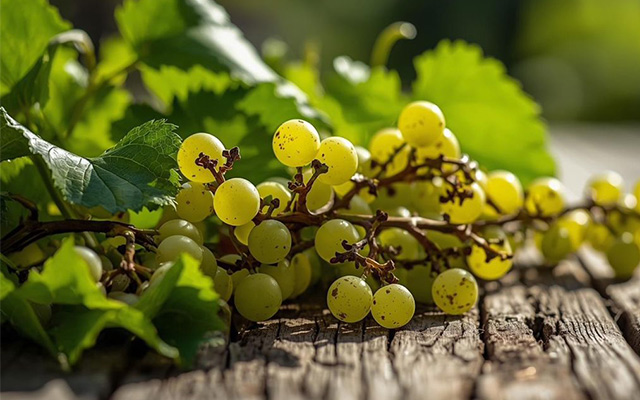
The wine industry generates approximately 20 million tonnes of by-products annually, with grape stems (Vitis vinifera L.) representing approximately 25% of total winery by-products (WBPs). These lignocellulosic materials, traditionally discarded through composting or landfilling, harbour substantial concentrations of bioactive polyphenolic compounds with demonstrated therapeutic properties after valorisation.
This comprehensive analysis, based on the scientific review by Dias-Costa et al. (2025), explores the potential of upcycling grape stems into nutraceutical and cosmetic ingredients, the extraction methodologies, cost considerations, and the critical importance of organic sourcing to ensure safety and quality in commercial applications.
Introduction
Wine industry by-products and sustainability challenges
Global wine production reached approximately 237 million hectolitres in 2023, with France, Italy, and Spain constituting the primary producing nations (OIV, 2024). This industrial activity inherently generates substantial quantities of by-products, designated as winery by-products (WBPs), including grape pomace, grape stems, wine lees, and vine pruning woods.
Grape stems, also known as grape stalks, represent a significant portion of WBPs, with approximately 30 kg produced for every 1,000 kg of grapes harvested during the destemming phase (Rodrigues et al., 2022). To prevent excessive astringency and negative effects on wine organoleptic characteristics, they are typically removed before vinification stages (Blackford et al., 2022; Mangione et al., 2022).
These by-products are rich in minerals and bioactive compounds, which, according to the comprehensive review by Dias-Costa et al. (2025) published in European Food Research and Technology, exert multiple health-promoting effects, including the stimulation of wound healing and antimicrobial, anti-inflammatory, anti-ageing, anticancer, and antioxidant activities.
Despite this potential, grape stems remain underutilised and are commonly disposed of through composting, landfilling, landfarming, or diverted to animal feed.
Circular economy and by-product valorisation
Directive (EU) 2025/1892 establishes ambitious targets for food waste reduction across the supply chain, promoting sustainable valorisation strategies that contribute to the circular economy. An efficient approach to upcycling these by-products involves their conversion into value-added ingredients for the cosmetic, pharmaceutical, and food industries (Rodrigues Machado et al., 2023).
Dias-Costa et al. (2025) emphasise that grape stem valorisation offers an updated overview of polyphenolic composition and biological activities, with potential for application in innovative products advancing sustainable practices through circular economy strategies and industrial symbiosis.
Methodology
Extraction technologies for polyphenolic compounds
The successful valorisation of grape stems as sources of bioactive compounds is fundamentally dependent upon the selection of appropriate extraction methodologies. The extraction process must balance multiple objectives: maximising polyphenolic yield, preserving bioactivity, ensuring economic viability, and minimising environmental impact. Contemporary research has explored both conventional and green extraction technologies, each presenting distinct advantages and limitations in terms of efficiency, sustainability, and industrial applicability.
Conventional extraction methods
Solid-liquid extraction using organic solvents represents the most widely employed conventional approach for recovering polyphenolic compounds from grape stems. Ethanol-water mixtures are frequently utilised due to ethanol’s Generally Recognised as Safe (GRAS) status, relatively low toxicity, and effectiveness in extracting diverse polyphenolic classes (Alara et al., 2021). The extraction efficiency is influenced by multiple parameters, including solvent concentration (typically ranging from 50% to 80% v/v), temperature (25–80°C), extraction time (30 minutes to 24 hours), and solid-to-liquid ratio (1:10 to 1:50 w/v) (Makris et al., 2007; Nieto et al., 2020).
Aqueous extraction using water as the sole solvent offers the most economically and environmentally favourable option, although generally yielding lower polyphenolic concentrations compared to organic solvent systems (Sanchez-Gómez et al., 2014).
The economic viability of conventional extraction is primarily determined by solvent consumption, energy requirements for heating and evaporation, and processing time. These methods typically require solvent recovery systems to enhance sustainability and reduce operational expenses, representing a significant consideration for industrial-scale implementation (Voss et al., 2023).
Green and intensified extraction technologies
Emerging green extraction technologies offer enhanced efficiency and reduced environmental footprint, positioning them as promising alternatives for grape stem valorisation.
Ultrasound-assisted extraction (UAE) utilises acoustic cavitation to disrupt cellular structures, thereby facilitating solvent penetration and the release of polyphenolic compounds. UAE significantly reduces extraction time (typically 20–60 minutes) and solvent consumption (up to 30% reduction) compared to conventional maceration (Alara et al., 2021; Nieto et al., 2020). The technology presents moderate infrastructure requirements whilst offering substantial improvements in extraction efficiency and environmental performance (Rodrigues et al., 2022).
Microwave-assisted extraction (MAE) utilises electromagnetic radiation to generate rapid internal heating, resulting in cellular disruption and enhanced mass transfer. MAE dramatically reduces extraction time (5–30 minutes) and energy consumption compared to conventional heating methods (Chen et al., 2020). However, careful parameter optimisation is essential to prevent thermal degradation of heat-sensitive polyphenolic compounds, particularly anthocyanins and certain stilbenes (Voss et al., 2023).
Pressurised liquid extraction (PLE), also known as accelerated solvent extraction (ASE), employs elevated pressure (50–200 bar) and temperature (40–200°C) to maintain solvents in a liquid state above their boiling points, enhancing extraction efficiency. PLE offers rapid extraction (15–30 minutes), substantial reduction in solvent consumption (50–70% reduction), and excellent reproducibility (Ben Khadher et al., 2022). The technology demonstrates particular efficacy for thermally stable polyphenolic compounds, including flavonols, flavanols, and certain phenolic acids, although it requires more sophisticated equipment and operator expertise (Voss et al., 2023).
Supercritical fluid extraction (SFE) using carbon dioxide represents the most environmentally friendly technology, eliminating organic solvent residues and producing high-purity extracts suitable for pharmaceutical applications. However, the relatively low polarity of supercritical CO₂ necessitates the addition of polar co-solvents (typically ethanol, 5–20% v/v) for effective polyphenolic extraction from grape stems (Oliveira et al., 2013). SFE requires substantial infrastructure investment and specialised equipment, primarily attributable to high-pressure requirements, positioning it as more suitable for high-value applications (Kalli et al., 2018).
Enzyme-assisted extraction (EAE) employs cellulolytic and pectinolytic enzymes to degrade cell wall polysaccharides, enhancing polyphenolic release whilst operating under mild conditions that preserve bioactivity. EAE typically utilises commercial enzyme cocktails containing cellulases, hemicellulases, and pectinases at concentrations of 0.1–2.0% w/w, with incubation periods of 1–4 hours at 40–50°C (de Freitas et al., 2024). The technology offers reduced energy consumption and enhanced selectivity, although enzyme procurement represents a recurring operational consideration that must be balanced against the benefits of improved extraction selectivity and bioactivity preservation (Chen et al., 2020).
Deep eutectic solvents and natural deep eutectic solvents
Deep eutectic solvents (DES) and natural deep eutectic solvents (NADES) represent innovative extraction media composed of hydrogen bond donors and acceptors that form eutectic mixtures with melting points significantly lower than their individual components. These solvents offer excellent polyphenolic solubility, negligible volatility, biodegradability, and potential for direct incorporation into certain formulations without solvent removal (Duarte et al., 2024).
NADES formulations typically comprise natural compounds including organic acids (citric acid, lactic acid), sugars (glucose, fructose), amino acids, and polyols (glycerol, propylene glycol) in defined molar ratios (Duarte et al., 2024). Recent investigations have demonstrated that choline chloride-based NADES achieve extraction yields comparable to or exceeding conventional organic solvents for grape stem polyphenolics, with the additional advantage of enhanced thermal and oxidative stability of extracted compounds (Duarte et al., 2024). The technology shows promise for integration into biorefinery concepts, with potential for solvent recycling to enhance economic viability (Duarte et al., 2024).
Subcritical water extraction
Subcritical water extraction (SWE) employs water at elevated temperatures (100–374°C) and pressures (sufficient to maintain liquid state) as an environmentally friendly extraction solvent. The dielectric constant of water decreases with increasing temperature, enhancing its capacity to extract less polar compounds, including certain polyphenolic constituents (de Freitas et al., 2024). SWE eliminates organic solvent consumption whilst achieving extraction efficiencies comparable to conventional methods for specific polyphenolic classes.
De Freitas et al. (2024) demonstrated that SWE of grape stalks yielded extracts with potent antioxidant and antimicrobial activities, with optimal conditions of 160–180°C, 50 bar, and 15–20 minutes extraction time. The technology requires moderate infrastructure investment, with energy requirements for heating and pressurisation representing the primary operational consideration (de Freitas et al., 2024).
Comparative assessment and technology selection
The selection of appropriate extraction technology for industrial-scale grape stem valorisation necessitates a comprehensive evaluation incorporating infrastructure requirements, operational considerations, extraction efficiency, extract quality, and environmental impact. Conventional solvent extraction offers lower initial investment requirements but potentially higher long-term operational considerations due to solvent consumption and waste management. Green extraction technologies, while requiring more substantial initial investment, often demonstrate superior long-term viability through reduced solvent consumption, shorter processing times, and enhanced energy efficiency (Kalli et al., 2018; Rodrigues et al., 2022).
Life cycle assessment (LCA) studies indicate that ultrasound-assisted extraction and enzyme-assisted extraction present the most favourable environmental profiles when considering global warming potential, energy consumption, and waste generation, particularly when integrated with solvent recovery and enzyme recycling strategies (Voss et al., 2023). For small-to-medium enterprises (SMEs) in the wine sector, the adoption of UAE or EAE technologies represents an optimal balance between investment requirements, operational efficiency, and environmental sustainability (Rodrigues et al., 2022).
The economic viability of grape stem valorisation is enhanced through biorefinery concepts that enable sequential or simultaneous recovery of multiple value streams, including polyphenolic extracts, dietary fibres, lignocellulosic biomass for bioenergy, and platform chemicals (Rodrigues et al., 2022). Integrated biorefinery approaches can significantly improve overall process economics while generating multiple revenue streams from what would otherwise be considered waste material (Kalli et al., 2018). The choice of extraction technology should therefore be evaluated not only on the basis of polyphenolic recovery efficiency but also on its compatibility with downstream valorisation of residual biomass and potential integration into circular economy frameworks.
Analytical approaches for polyphenolic characterisation
Recent investigations from 2019 onwards have employed advanced chromatographic techniques to identify and quantify polyphenolic compounds in grape stems. The primary analytical methodologies include high-performance liquid chromatography coupled with diode array detection (HPLC-DAD), ultra-high-performance liquid chromatography with mass spectrometry (UHPLC-MS/MS), and reversed-phase HPLC with photodiode array and electrospray ionisation tandem mass spectrometry (HPLC-PDA-ESI-MS/MS) (Dias-Costa et al., 2024; Dias-Costa et al., 2025; Fernandes et al., 2025; Leal et al., 2020).
These sophisticated techniques enable the identification and quantification of diverse polyphenolic subclasses, including phenolic acids (hydroxybenzoic and hydroxycinnamic acids), stilbenes, flavonoids (flavonols, flavones, and anthocyanins), and proanthocyanidins (catechin derivatives). The analytical protocols typically involve extraction procedures using various solvents, followed by chromatographic separation and spectroscopic or mass spectrometric detection (Radojevic et al., 2022).
Assessment of biological activities
The biological activities of grape stem extracts have been evaluated through multiple in vitro assays. Antioxidant capacity was assessed using spectrophotometric methods, including ABTS (2,2′-azino-bis(3-ethylbenzothiazoline-6-sulfonic acid)), DPPH (2,2-diphenyl-1-picrylhydrazyl), FRAP (Ferric-Reducing Antioxidant Power), and ORAC (Oxygen Radical Absorbance Capacity) assays (Dias-Costa et al., 2024; Leal et al., 2020).
Antimicrobial activity was determined through minimum inhibitory concentration (MIC), minimum bactericidal concentration (MBC), and minimum fungicidal concentration (MFC) assessments against both Gram-positive and Gram-negative bacteria, as well as fungal strains (Radojevic et al., 2022).
Additional biological evaluations included anti-ageing properties through anti-elastase, anti-hyaluronidase, and anti-tyrosinase assays; anti-inflammatory activity via nitric oxide production inhibition; and anticancer potential using various human cancer cell lines (Dias-Costa et al., 2024; Leal et al., 2020; Quero et al., 2021).
Results and discussion
Phytochemical composition of grape stems
Grape stems comprise approximately 17–26% lignin, 20–30% cellulose, 3–20% hemicelluloses, 6–9% ash, and 6% proteins (Vinha et al., 2024). Additionally, they contain fatty acids, a high concentration of sterols, and polysaccharides, mainly glucans, xylans, galactans, arabinans, and mannans (Voss et al., 2023). This complex matrix provides structural support while harbouring valuable bioactive compounds with substantial potential for various industrial applications.
Phenolic acids
The comprehensive analysis revealed that grape stems contain diverse phenolic acids, including gallic acid, protocatechuic acid, caftaric acid, trans-caftaric acid, trans-coutaric acid, and p-coumaric acid, amongst others. Caftaric, gallic, trans-caftaric, and trans-coutaric acids were the most frequently identified compounds across different grape varieties (Costa et al., 2020; Dias-Costa et al., 2024; Dias-Costa et al., 2025). Studies reporting concentration using comparable units (µg of compound per mg of stem extract) documented values ranging from 0.3 to 3.1 µg/mg (Costa-Pérez et al., 2023; Matos et al., 2019). Amongst all compounds within this subclass, cinnamic acid exhibited the highest concentration, reaching 7.4 mg/g of dry weight (Badr et al., 2021).
Hydroxybenzoic acids and hydroxycinnamic acids demonstrate distinct structure-activity relationships concerning their antioxidant capacity. The antioxidant activity is influenced by the number and position of hydroxyl groups relative to the carboxyl functional group, increasing with higher degrees of hydroxylation (Balasundram et al., 2006). Hydroxycinnamic acids show greater antioxidant activity than corresponding hydroxybenzoic acids due to the CH=CH-COOH group, which enhances hydrogen-donating capacity and radical stabilisation (Balasundram et al., 2006).
Stilbenes
Regarding stilbenes, which consist of two aromatic rings linked by an ethylene bridge, grape stems contain trans-piceid, resveratrol, resveratrol-3-O-glucoside, trans-resveratrol, and ε-viniferin (Costa et al., 2020; Gouvinhas et al., 2020; Leal et al., 2020). Of all stilbenes identified, resveratrol was the most abundant, with a concentration of 2.0 ± 1.0 mg/g of dry weight (Badr et al., 2021). In addition to monomeric forms, polymeric structures were identified, including resveratrol dimer isomer 2, resveratrol trimer, resveratrol trimer isomers 1 and 2, and resveratrol tetramer isomer 2 (Radojevic et al., 2022).
Resveratrol, a stilbene present in grape stems, has garnered considerable attention due to its well-documented therapeutic properties, including cardioprotective, neuroprotective, and anticancer activities (Ben Khadher et al., 2022; Jiménez-Moreno et al., 2019). Oxyresveratrol, known for its high tyrosinase-inhibiting activity relevant to cancer treatment, was also detected in this by-product (Costa-Pérez et al., 2023).
Proanthocyanidins and catechin derivatives
Since 2019, numerous proanthocyanidins and catechin derivatives have been identified in grape stems, including catechin, catechin-gallocatechin isomers 1 and 2, epicatechin, epicatechin-gallate, epicatechin-glucoside, gallocatechin, proanthocyanidins B1 and B2, proanthocyanidin (B-type) dimers (isomers 1, 2, 3, and 4), and proanthocyanidin (B-type) trimers (isomers 1, 2, 3, and 4) (Costa et al., 2023; Costa-Pérez et al., 2023; Dias-Costa et al., 2024; Dias-Costa et al., 2025). Catechin was the most abundant compound detected in this subclass, with concentrations ranging from 440.0 to 3,600.0 µg/g of extract, corroborating the findings of Teixeira et al. (2014).
The structure-activity relationship of flavonoids is generally more complex due to the intricate nature of their molecules. The antioxidant activity/capacity of flavonoids is influenced by factors such as the degree of hydroxylation, the positioning of hydroxyl groups in the B ring (specifically at the 3′-, 4′-, and 5′-positions), the presence of a double bond between C-2 and C-3 conjugated with the carbonyl group in ring C, and the combination of this double bond with the 3-hydroxyl group in ring C (Balasundram et al., 2006).
Flavonols
Grape stems contain flavonols, primarily quercetin, kaempferol, and isorhamnetin derivatives. The predominant derivatives are the 3-O-glucoside, 3-O-glucuronide, and 3-O-rutinoside forms (Teixeira et al., 2014). Quercetin-3-O-glucoside and quercetin-3-O-glucuronide were the most frequently detected compounds, reported in several studies with concentrations ranging from 211.0 to 6,800.0 µg/kg of dry weight and from 21.2 to 70.3 µg/g of dry weight, respectively (Costa et al., 2023; Dias-Costa et al., 2024; Fernandes et al., 2025; Gouvinhas et al., 2020; Radojevic et al., 2022).
Anthocyanins
Although anthocyanins are primarily produced in grape skins and pulp, with the skin being the main tissue responsible for transferring pigments to wine, these compounds can also be transported and accumulated in vacuoles through the non-covalent activity of glutathione S-transferase, suggesting their presence in other grape components, such as stems (Fernandes et al., 2025; Teixeira et al., 2014). The most abundant anthocyanin detected was malvidin-3-O-galactoside, with a concentration of 370.0 µg/g of dry weight (Leal et al., 2020).
Analysis of the literature reveals that the 3-O–p-coumaroylglucoside derivatives of anthocyanidin aglycones, such as petunidin, peonidin, malvidin, delphinidin, and cyanidin, are widely distributed in grape stems across various varieties and geographical origins, demonstrating their consistent presence in this matrix (Costa et al., 2023; Costa-Pérez et al., 2023; Fernandes et al., 2025; Matos et al., 2019).
Biological activities
Antioxidant activity/capacity
The antioxidant activity and capacity of grape stems have been extensively evaluated using various spectrophotometric methodologies. Studies employing the FRAP methodology reported values up to 1.0 mmol Trolox (T)/g for various grape stem varieties, including Tinta Roriz, Touriga Nacional, Castelão, Syrah, Arinto, and Fernão Pires (Leal et al., 2020). For the DPPH assay, values reached up to 1.2 mmol T/g in the Merlot variety (Nieto et al., 2020). In the ABTS assay, values reached up to 3.6 mmol T/g in the same variety (Nieto et al., 2020).
A positive correlation between antioxidant capacity and polyphenolic content has been demonstrated in multiple studies. Proanthocyanidins, flavonols, and phenolic acids showed strong correlations with antioxidant capacity, as measured by ABTS, DPPH, and FRAP methodologies (Fernandes et al., 2025). Quercetin-3-O-glucoside was correlated with all three methods, whilst petunidin-3-O-glucoside correlated with ABTS and FRAP, and malvidin-3-O-acetylglucoside and malvidin-3-O–p-coumaroylglucoside were correlated only with ABTS (Fernandes et al., 2025).
The antioxidant potential of polyphenolic compounds is intricately tied to their structural attributes, particularly the quantity and position of hydroxyl groups, as well as the specific arrangement and nature of functional groups attached to aromatic rings (Aleixandre et al., 2022). The aromatic nature of these compounds, combined with a highly conjugated system and multiple hydroxyl groups, enables them to act as effective hydrogen or electron donors, thereby neutralising free radicals and other reactive oxygen species (ROS) (Sauceda et al., 2017; Zhang & Tsao, 2016).
Antimicrobial activity
Polyphenolic compounds possess antioxidant properties that contribute to their antimicrobial activity, demonstrating efficacy against a wide range of Gram-negative and Gram-positive bacteria, as well as fungi (Manso et al., 2022; Othman et al., 2019). Escherichia coli and Pseudomonas aeruginosa were the Gram-negative bacteria most studied for their antimicrobial susceptibility using grape stem extracts, whilst Staphylococcus aureus was the most frequently studied Gram-positive bacterium (Dias-Costa et al., 2025; Leal et al., 2020; Radojevic et al., 2022; Vinha et al., 2024).
The study by Radojevic et al. (2022) reported the lowest minimum inhibitory concentration (MIC) value (0.2 mg/mL), using a grape stem extract against Bacillus subtilis. The antimicrobial activity of grape stem extracts can be attributed to several mechanisms. According to Mattos et al. (2017), grape stem extracts inhibited bacterial growth due to the accumulation of polyphenolic compounds containing hydroxyl groups in the lipid bilayer cell, causing changes in membrane structure and function. These secondary metabolites interact with the bacterial cell membrane, disrupting its structure and causing lysis, which leads to the release of cellular components.
The antifungal potential of grape stem extracts has also been investigated, although studies remain limited. Badr et al. (2021) reported minimum fungicidal concentration (MFC) values ranging from 40.0 to 60.0 mg/mL, whilst Radojevic et al. (2022) found lower MFC values between 1.3 and >10.0 mg/mL, depending on the fungal species tested. Some of the fungi examined, such as Aspergillus fumigatus, are relevant not only due to their pathogenic impact on human health but also due to their role as phytopathogens, suggesting that grape stem extracts could serve as promising bioactive agents in both medical and agricultural applications.
Gallic acid, trans-resveratrol, resveratrol, epigallocatechin-gallate, catechin, quercetin-3-O-glucuronide, and epicatechin, present in wine and extracts from V. vinifera by-products, have been identified as key antimicrobial agents (Kouidhi et al., 2015; Oliveira et al., 2013; Serra et al., 2021; Simonetti et al., 2020).
Anti-ageing properties
Anti-ageing properties have been demonstrated in grape stem extract, highlighting its potential as a valuable ingredient for skincare and anti-ageing formulations. Grape stem extracts showed anti-ageing activity through both anti-elastase and anti-hyaluronidase activities. Leal et al. (2020) reported that elastase inhibition reached a maximum of 98.0% at an extract concentration of 1.0 mg/mL. Dias-Costa et al. (2024) reported that grape stem extracts exhibited elastase enzyme inhibition ranging from 62.0 to 65.0% at a concentration of 1.0 mg/mL.
Polyphenolic compounds are recognised for their anti-elastase and anti-collagenase properties. According to Nisa et al. (2024), these compounds can inhibit the activity of proteolytic enzymes, such as elastase and collagenase, by acting as precipitating or complexing agents in vitro, as these enzymes are involved in protein degradation. Protocatechuic acid, trans-cinnamic acid, caftaric acid, quercetin-3-O-glucoside, malvidin-3-O-galactoside, and malvidin-3-O-glucoside, present in WBPs, have demonstrated anti-ageing properties (Kasiotis et al., 2013; Markiewicz et al., 2022).
Skin depigmenting activity
Skin depigmenting activity has been observed in grape stem extracts, making them promising candidates for skin-lightening formulations. Leal et al. (2020) reported that the extracts inhibited tyrosinase enzyme activity by 54% at a concentration of 1.0 mg/mL, whilst Dias-Costa et al. (2024) observed tyrosinase inhibition ranging from 15% to 28% at the same concentration.
Polyphenolic compounds are known to structurally resemble the substrates of the tyrosinase enzyme, particularly tyrosine, due to their aromatic ring structure.
This similarity allows them to be easily oxidised by tyrosinase, acting as analogous inhibitors of melanogenesis and thereby reducing melanin production (Ferri et al., 2017; Nisa et al., 2024). Resveratrol, present in wine and its by-products, is considered one of the most potent antioxidants, protecting the skin from free radicals and mitigating the ageing process through the inhibition of tyrosinase activity (Wen et al., 2020).
Anti-inflammatory activity
Anti-inflammatory activity has been demonstrated in grape stem extracts. Leal et al. (2020) reported that grape stem extracts from six varieties were able to inhibit nitric oxide (NO) production, as their polyphenolic compounds down-regulated the expression of enzymes, including inducible nitric oxide synthase (iNOS). Ben Khadher et al. (2022) demonstrated that all maceration grape stem extracts inhibited the lipoxygenase enzyme, with the highest inhibition reaching 64.5% (IC₅₀ = 26.6 µg/mL).
Anticancer properties
Anticancer activity has emerged as a significant biological property of grape stem extracts. Quero et al. (2021) demonstrated in vitro anticancer properties by showing an antiproliferative effect on HT29 (colon cancer) and MCF-7 (breast cancer) cell lines, associated with changes in mitochondrial potential and increased levels of ROS. Vassi et al. (2020) found that grape stem extracts showed promising potential as anti-cancer agents, exhibiting proapoptotic effects by elevating ROS levels and glutathione.
Sei-ichi et al. (2019) discovered that epigallocatechin-(epicatechin)₇ gallate (molecular weight 2432), isolated from Chardonnay grape stems, showed potent anticancer activity in PC-3 cells by suppressing the gene expression of fatty acid-binding protein 5, a key factor in promoting cell proliferation and metastasis. The stilbene trans-resveratrol has garnered considerable attention in recent years due to its well-established anticancer properties (Jiménez-Moreno et al., 2019).
Other biological activities
Anti-diabetic activity has been investigated, although limited studies exist. Ben Khadher et al. (2022) evaluated the effect of Sauvignon grape stem extract on amylase inhibition. Polyphenolic compounds may assist in regulating glucose levels in blood after meals through two primary strategies: preventing oxidative damage and controlling postprandial hyperglycaemia through the regulation of carbohydrate digestion and absorption (Aleixandre et al., 2022; Chakka & Babu, 2022).
Anti-Alzheimer activity has been attributed to stem extracts of Sauvignon (Vitis vinifera L.), exhibiting acetylcholinesterase inhibitions of 94.8% (IC₅₀ = 14.1 µg/mL) for the ethyl acetate extract obtained by maceration, and 89.0% (IC₅₀ = 18.7 µg/mL) for the ethyl acetate extract obtained using accelerated solvent extraction (Ben Khadher et al., 2022).
Wound healing potential has been explored, with one study showing rapid wound healing response in both 3T3 and HaCat cells, with complete wound closure achieved after 48 hours of treatment with grape stem extract-loaded hyalurosomes and hyalo-transfersomes (Manca et al., 2019).
Varietal and environmental influences
The concentration and composition of polyphenolic compounds in grape stems are influenced by intrinsic, technological, and environmental factors. These include the grape variety (cultivar), edaphoclimatic growth conditions, and the winemaking and by-product processing methods employed (Costa et al., 2023; Makris et al., 2007; Teixeira et al., 2014). The time elapsed between waste generation and recovery, as well as extraction parameters such as temperature, duration, and solvent type, significantly influence the yield and composition of recovered phenolic compounds (Moreira et al., 2018).
In both red and white grape stems, the main polyphenolic families comprise proanthocyanidins (catechin, epicatechin, and quercetin derivatives), phenolic acids (notably gallic, trans-coutaric, and caftaric acids), and stilbenes (Dias-Costa et al., 2024; Dias-Costa et al., 2025; Fernandes et al., 2025). Whilst the qualitative phenolic profile is similar across varieties, red grape varieties often exhibit higher phenolic content, particularly in anthocyanins (Dias-Costa et al., 2024; Fernandes et al., 2025) and stilbenes (Apostolou et al., 2013; Esparza et al., 2021; Teixeira et al., 2014).
Upcycling opportunities and industrial applications
Food industry applications
The food industry represents a promising sector for grape stem valorisation. Studies have explored applications in food bio-preservation, leveraging the antimicrobial properties of grape stem extracts to extend the shelf-life of food products whilst reducing reliance on synthetic preservatives (Mattos et al., 2017). The incorporation of grape stem extracts into beverages could enhance their nutritional profile and antioxidant capacity, offering consumers functional food options with health-promoting properties.
Encapsulation technologies represent an innovative approach to enhance the bioavailability and stability of polyphenolic compounds from grape stems. Encapsulation in nanoemulsion-based delivery systems could protect these phytochemicals from degradation whilst improving their absorption and biological efficacy (Albuquerque et al., 2021; Kalli et al., 2018). Badr et al. (2021) demonstrated the successful encapsulation of bioactive ingredients from grape by-products for application in fresh-cut fruit and juices, showing potential to diminish ochratoxins.
Cosmetic and pharmaceutical industries
The cosmetic industry could significantly benefit from grape stem extracts, particularly given their demonstrated anti-ageing, skin depigmenting, and antioxidant properties. Manca et al. (2019) developed phytocomplexes extracted from grape seeds and stalks delivered in phospholipid vesicles tailored for the treatment of skin damage, demonstrating the potential for dermatological applications. The anti-tyrosinase activity of grape stem extracts makes them suitable for skin-lightening formulations, whilst their anti-elastase and anti-collagenase properties position them as valuable ingredients in anti-ageing cosmeceuticals (Dias-Costa et al., 2024; Leal et al., 2020).
In the pharmaceutical sector, the demonstrated anticancer, anti-inflammatory, and antimicrobial activities of grape stem extracts suggest potential applications in therapeutic formulations. However, further in vivo studies and clinical evaluations are crucial to validate and extend the in vitro results, ensuring both efficacy and safety of these novel products (Tsoupras et al., 2023).
Animal feed supplementation
Animal feed represents another valorisation avenue for grape stems. The incorporation of grape stem extracts into animal diets could provide antioxidant and antimicrobial benefits, potentially improving animal health and productivity whilst reducing the need for synthetic additives. Ciliberti et al. (2022) demonstrated that green extraction of bioactive compounds from wine lees showed bio-responses on immune modulation using an in vitro sheep model, suggesting similar potential for grape stems.
Challenges and safety considerations
Despite the substantial potential of grape stems as sources of bioactive compounds, several challenges must be addressed for successful valorisation. A critical consideration concerns the potential presence of pesticide residues and heavy metals in conventionally cultivated grape stems, necessitating careful assessment of their toxicity and the implementation of rigorous safety protocols (Corrales et al., 2010; Kalli et al., 2018).
Organic grape sourcing: the optimal approach
Organic viticulture represents the most effective strategy to ensure the production of high-quality, contaminant-free grape stem extracts suitable for nutraceutical, cosmetic, and pharmaceutical applications. Organic grape production, which prohibits the use of synthetic pesticides, herbicides, and fungicides, eliminates the primary source of pesticide residue contamination in grape stems (Corrales et al., 2010). Comparative studies have demonstrated that organic grape stems contain significantly lower levels of pesticide residues and heavy metals compared to conventionally grown counterparts, whilst maintaining comparable or enhanced polyphenolic content (Corrales et al., 2010).
The adoption of organic grape sourcing provides multiple advantages beyond contamination avoidance. Organic viticulture practices, including reduced copper and sulphur applications compared to conventional integrated pest management, result in lower heavy metal accumulation in plant tissues (Corrales et al., 2010). Furthermore, organic production methods often enhance the biosynthesis of secondary metabolites, including polyphenolic compounds, as plants develop enhanced defence mechanisms in the absence of synthetic chemical protection (Corrales et al., 2010). This phenomenon, known as stress-induced phytochemical accumulation, may result in organic grape stems exhibiting enhanced antioxidant and antimicrobial activities compared to conventional sources.
From a regulatory perspective, the utilisation of organic grape stems significantly simplifies the approval process for food, cosmetic, and pharmaceutical applications. The European Union’s organic regulations (Regulation (EU) 2018/848) provide a robust certification framework that assures consumers and regulatory authorities of product integrity and safety. Products derived from certified organic grape stems can be marketed with organic claims, commanding premium pricing and enhancing market acceptance (Kalli et al., 2018).
The economic implications of organic sourcing must be considered within the broader context of value creation. Whilst organic grape stems may command higher procurement costs (typically 20–40% premium over conventional sources), the enhanced safety profile, regulatory compliance, superior marketability, and potential for organic certification of derived products justify this premium (Kalli et al., 2018). Moreover, as consumer demand for clean-label, organic, and sustainably sourced ingredients continues to escalate, products derived from organic grape stems are positioned to capture growing market segments willing to pay premium prices for verified quality and safety (Rodrigues Machado et al., 2023).
Quality assurance and safety protocols
Even when utilising organic grape stems, comprehensive quality assurance protocols remain essential. These should include systematic screening for pesticide residues (even organic-approved substances such as copper compounds and sulphur), heavy metals (cadmium, lead, arsenic, mercury), mycotoxins (ochratoxin A, aflatoxins), and microbiological contaminants (Kalli et al., 2018). Maximum residue levels (MRLs) as established by European legislation (Regulation (EC) No 396/2005) must be rigorously respected for any detected pesticide residues, whilst heavy metal content should comply with limits specified in Commission Regulation (EU) 2023/915.
Good Manufacturing Practices (GMP) and Hazard Analysis and Critical Control Points (HACCP) systems should be implemented throughout the grape stem collection, processing, extraction, and formulation stages to ensure product safety and quality consistency (Kalli et al., 2018). Traceability systems enabling complete supply chain transparency from vineyard to final product are essential for quality assurance and regulatory compliance.
Bioavailability and efficacy considerations
The distinctive biological properties and health benefits of polyphenolic compounds depend on several factors, including the ingested amount, bioaccessibility, absorption (bioavailability), metabolism (including colonic metabolism), and excretion back into the intestinal lumen (Sauceda et al., 2017). These pharmacokinetic parameters significantly influence the efficacy of grape stem-derived compounds and must be thoroughly investigated.
Furthermore, the substantial annual variation in polyphenol content due to environmental factors presents challenges in standardising grape stem extracts for commercial applications. This variability necessitates the development of robust quality control protocols based on marker compounds or polyphenolic profiles, and potentially the implementation of blending strategies to ensure consistent product quality (Kalli et al., 2018). Standardisation to specific concentrations of key bioactive constituents, such as resveratrol, catechin, or total polyphenolic content, may be required for pharmaceutical and nutraceutical applications.
Conclusions and future perspectives
Grape stems represent a significantly underutilised resource within the wine industry, offering substantial potential for valorisation as sources of bioactive polyphenolic compounds. The comprehensive phytochemical analysis, as synthesised by Dias-Costa et al. (2025) and expanded upon in this review, reveals a rich composition of phenolic acids, stilbenes, flavonoids, proanthocyanidins, and anthocyanins, each contributing to the diverse array of biological activities demonstrated by grape stem extracts. The documented antioxidant, antimicrobial, anti-ageing, anticancer, anti-inflammatory, and anti-diabetic properties highlight the nutraceutical potential of these by-products.
The successful valorisation of grape stems within a circular economy framework requires the integration of efficient extraction technologies, organic sourcing strategies, and rigorous quality assurance protocols. The selection of an appropriate extraction methodology must balance economic viability, environmental sustainability, and extract quality. Green extraction technologies, particularly ultrasound-assisted extraction and enzyme-assisted extraction, offer optimal compromises between capital investment, operational efficiency, and environmental impact for small- to medium-sized enterprises in the wine sector. These technologies present economically viable alternatives to conventional extraction whilst offering superior environmental profiles.
Organic viticulture emerges as the preferred sourcing strategy, eliminating pesticide residue contamination whilst potentially enhancing polyphenolic content and marketability of derived products. The higher costs associated with organic sourcing are justified by enhanced safety profiles, regulatory compliance, and superior market positioning in an increasingly quality-conscious consumer landscape. As Dias-Costa et al. (2025) emphasise, the use of grape stems could contribute to the advancement of sustainable practices through circular economy strategies and industrial symbiosis.
Priority areas for future research include:
- Comprehensive techno-economic analyses comparing extraction technologies at an industrial scale, incorporating life cycle assessments and return on investment calculations for various operational scenarios;
- Development of standardised extraction protocols optimised for specific polyphenolic classes or biological activities, with particular attention to preserving bioactivity whilst maximising yield;
- Establishment of organic grape stem supply chains with robust traceability systems ensuring quality, authenticity, and regulatory compliance from vineyard to final product;
- In vivo studies and clinical trials to validate biological activities observed in vitro and establish safe and effective dosages for human consumption and topical application;
- Investigation of bioavailability-enhancing technologies, including encapsulation and nano-formulation approaches compatible with organic certification and clean-label requirements;
- Assessment of synergistic effects between different polyphenolic compounds present in grape stems, potentially revealing enhanced efficacy of whole extracts compared to isolated compounds;
- Development of commercial products incorporating organic grape stem extracts for food, cosmetic, and pharmaceutical applications, with market research to identify consumer preferences and willingness to pay premium prices;
- Integration of grape stem valorisation into comprehensive biorefinery concepts maximising resource efficiency through sequential or simultaneous recovery of multiple value streams, including polyphenolic extracts, dietary fibres, and lignocellulosic biomass for bioenergy.
The transformation of grape stems from waste materials to valuable nutraceutical ingredients represents a significant opportunity for the wine industry to enhance its sustainability profile whilst creating economic value. By embracing organic sourcing, green extraction technologies, and industrial symbiosis within circular economy frameworks, the wine sector can contribute to the broader objectives of resource efficiency, food waste reduction as mandated by Directive (EU) 2025/1892, and sustainable development. As concluded by Dias-Costa et al. (2025), this review offers an updated and detailed overview of the polyphenolic composition and biological activities of grape stems, highlighting their potential for application in innovative products that advance sustainable practices through circular economy strategies and industrial symbiosis, ultimately benefiting both the environment and public health.
Dario Dongo
Cover art copyright © 2025 Dario Dongo (AI-assisted creation)
References
- Alara, O. R., Abdurahman, N. H., & Ukaegbu, C. I. (2021). Extraction of phenolic compounds: A review. Current Research in Food Science, 4, 200-214. https://doi.org/10.1016/j.crfs.2021.03.011
- Albuquerque, B. R., Heleno, S. A., Oliveira, M. B. P. P., Barros, L., & Ferreira, I. C. F. R. (2021). Phenolic compounds: Current industrial applications, limitations and future challenges. Food & Function, 12(1), 14-29. https://doi.org/10.1039/D0FO02324H
- Aleixandre, A., Gil, J. V., Sineiro, J., & Rosell, C. M. (2022). Understanding phenolic acids inhibition of α-amylase and α-glucosidase and influence of reaction conditions. Food Chemistry, 372, Article 131231. https://doi.org/10.1016/j.foodchem.2021.131231
- Apostolou, A., Stagos, D., Galitsiou, E., Spyrou, A., Haroutounian, S., Portesis, N., Trizoglou, I., Wallace Hayes, A., Tsatsakis, A. M., & Kouretas, D. (2013). Assessment of polyphenolic content, antioxidant activity, protection against ROS-induced DNA damage and anticancer activity of Vitis vinifera stem extracts. Food and Chemical Toxicology, 61, 60-68. https://doi.org/10.1016/j.fct.2013.01.029
- Badr, A. N., Gromadzka, K., Shehata, M. G., Stuper-Szablewska, K., & Szczerbak, B. (2021). Encapsulated bioactive ingredients of grape by-products applied in fresh-cut fruit and juices diminish ochratoxin contamination. Journal of Food Processing and Preservation, 45, e15112. https://doi.org/10.1111/jfpp.15112
- Balasundram, N., Sundram, K., & Samman, S. (2006). Phenolic compounds in plants and agri-industrial by-products: Antioxidant activity, occurrence, and potential uses. Food Chemistry, 99(1), 191-203. https://doi.org/10.1016/j.foodchem.2005.07.042
- Ben Khadher, T., Aydi, S., Mars, M., & Bouajila, J. (2022). Study on the chemical composition and the biological activities of Vitis vinifera L. (cv. Sauvignon) stems extract. Molecules, 27(10), Article 3109. https://doi.org/10.3390/molecules27103109
- Blackford, M., Comby, M., Dienes-Nagy, Á., Diévart, P., Giordanengo, T., Mourey, N., Schneider, R., & Lucio, M. (2022). Characterisation of stem extracts of various grape varieties obtained after maceration under simulated alcoholic fermentation. Oeno One, 56(1), 249-263. https://oeno-one.eu/article/download/5385/23955
- Chakka, A. K., & Babu, A. S. (2022). Bioactive compounds of winery by-products: Extraction techniques and their potential health benefits. Applied Food Research, 2. https://doi.org/10.1016/j.afres.2022.100058
- Chen, J., Thilakarathna, W. P. D. W., Astatkie, T., & Rupasinghe, H. P. V. (2020). Optimization of catechin and proanthocyanidin recovery from grape seeds using microwave-assisted extraction. Biomolecules, 10(2), Article 243. https://doi.org/10.3390/biom10020243
- Ciliberti, M. G., Francavilla, M., Albenzio, M., Inghese, C., Santillo, A., Sevi, A., & Caroprese, M. (2022). Green extraction of bioactive compounds from wine lees and their bio-responses on immune modulation using in vitro sheep model. Journal of dairy science, 105(5), 4335–4353. https://doi.org/10.3168/jds.2021-21098
- Corrales, M., Fernandez, A., Vizoso Pinto, M. G., Butz, P., Franz, C. M., Schuele, E., & Tauscher, B. (2010). Characterization of phenolic content, in vitro biological activity, and pesticide loads of extracts from white grape skins from organic and conventional cultivars. Food and chemical toxicology : an international journal published for the British Industrial Biological Research Association, 48(12), 3471–3476. https://doi.org/10.1016/j.fct.2010.09.025
- Costa, C., Campos, J., Gouvinhas, I., Santos, R. A., & Barros, A. (2023). Unveiling the potential of Portuguese grape stems as a source of bioactive phenolic compounds: Characterisation, antioxidants, and antimicrobial properties. Applied Sciences, 13(22), Article 12445. https://doi.org/10.3390/app132212445
- Costa, R. D., Domínguez-Perles, R., Abraão, A., Gouvinhas, I., & Barros, A. (2023). Exploring the antioxidant potential of phenolic compounds from winery by-products. Molecules, 28(18), Article 6660. https://doi.org/10.3390/molecules28186660
- Costa-Pérez, A., Medina, S., Sánchez-Bravo, P., Domínguez-Perles, R., & García-Viguera, C. (2023). The (Poly)phenolic Profile of Separate Winery By-Products Reveals Potential Antioxidant Synergies. Molecules (Basel, Switzerland), 28(5), 2081. https://doi.org/10.3390/molecules28052081
- de Freitas, P. A. V., Meyer, S., Hernández-García, E., Rebaque, D., Vilaplana, F., & Chiralt, A. (2024). Antioxidant and antimicrobial extracts from grape stalks obtained with subcritical water. Potential use in active food packaging development. Food chemistry, 451, 139526. https://doi.org/10.1016/j.foodchem.2024.139526
- Dias Costa, R., Medrano-Padial, C., Fernandes, R., Domínguez-Perles, R., Gouvinhas, I., & Barros, A. (2024). Valorisation of winery by-products: Revealing the polyphenolic profile of grape stems and their inhibitory effects on skin aging-enzymes for cosmetic and pharmaceutical applications. Molecules, 29(22), 5437. https://doi.org/10.3390/molecules29225437
- Dias-Costa, R., Coelho, M., Domínguez-Perles, R., Gouvinhas, I., & Barros, A. N. (2025). Overview of polyphenolic composition and related biological activities of grape stems. European Food Research and Technology. https://doi.org/10.1007/s00217-025-04841-8
- Directive 2008/98/EC of the European Parliament and of the Council of 19 November 2008 on waste and repealing certain Directives. Consolidated text: 16/10/2025 http://data.europa.eu/eli/dir/2008/98/2025-10-16
- Directive (EU) 2025/1892 of the European Parliament and of the Council amending Directive 2008/98/EC on waste. http://data.europa.eu/eli/dir/2025/1892/oj
- Duarte, H., Aliaño-González, M. J., Cantos-Villar, E., Jara-Palacios, M. J., & Romano, A. (2024). Sustainable extraction of polyphenols from vine shoots using deep eutectic solvents: An innovative and efficient technique. Talanta, 267, Article 125135. https://doi.org/10.1016/j.talanta.2023.125135
- Esparza, I., Moler, J. A., Arteta, M., Jiménez-Moreno, N., & Ancín-Azpilicueta, C. (2021). Phenolic Composition of Grape Stems from Different Spanish Varieties and Vintages. Biomolecules, 11(8), 1221. https://doi.org/10.3390/biom11081221
- European Commission. (2023). Commission Regulation (EU) 2023/915 of 25 April 2023 on maximum levels for certain contaminants in food. Consolidated text: 01/07/2025 http://data.europa.eu/eli/reg/2023/915/2025-07-01
- Fernandes, R., Medrano-Padial, C., Dias-Costa, R., Fernández-Ruiz, V., Morales, P., Gouvinhas, I., Barros, A., & Domínguez-Perles, R. (2025). Grape stems from red grape varieties (Vitis vinifera L.) as a novel source of health-promoting compounds: Polyphenolic characterisation and biological properties. Food Chemistry: X, 24, Article 102260. https://doi.org/10.1016/j.fochx.2025.102260
- Ferri, M., Rondini, G., Calabretta, M. M., Michelini, E., Vallini, V., Fava, F., Roda, A., & Minnucci, G. (2017). White grape pomace extracts, obtained by a sequential enzymatic plus ethanol-based extraction, exert antioxidant, anti-tyrosinase and anti-inflammatory activities. New Biotechnology, 39, 51-58. https://doi.org/10.1016/j.nbt.2017.07.002
- Gouvinhas, I., Pinto, R., Santos, R., Saavedra, M. J., & Barros, A. (2020). Enhanced phytochemical composition and biological activities of grape (Vitis vinifera L.) stems growing in low altitude regions. Scientia Horticulturae, 265, Article 109248. https://doi.org/10.1016/j.scienta.2020.109248
- Jiménez-Moreno, N., Volpe, F., Moler, J. A., Esparza, I., & Ancín-Azpilicueta, C. (2019). Impact of extraction conditions on the phenolic composition and antioxidant capacity of grape stem extracts. Antioxidants, 8(12), Article 597. https://doi.org/10.3390/antiox8120597
- Kalli, E., Lappa, I., Bouchagier, P., Tarantilis, P. A., & Skotti, E. (2018). Novel application and industrial exploitation of winery by-products. Bioresource Technology, 257, 303-312. https://doi.org/10.1016/j.biortech.2018.02.101
- Kasiotis, K. M., Pratsinis, H., Kletsas, D., & Haroutounian, S. A. (2013). Resveratrol and related stilbenes: Their anti-aging and anti-angiogenic properties. Food and Chemical Toxicology, 61, 112-120. https://doi.org/10.1016/j.fct.2013.03.038
- Kouidhi, B., Al Qurashi, Y. M. A., & Chaieb, K. (2015). Drug resistance of bacterial dental biofilm and the potential use of natural compounds as alternative for prevention and treatment. Microbial Pathogenesis, 80, 39-49. https://doi.org/10.1016/j.micpath.2015.02
- Leal, C., Gouvinhas, I., Santos, R. A., Rosa, E., Silva, A. M., Saavedra, M. J., & Barros, A. I. (2020). Potential application of grape (Vitis vinifera L.) stem extracts in the cosmetic and pharmaceutical industries: Valorization of a by-product. Industrial Crops and Products, 154, Article 112675. https://doi.org/10.1016/j.indcrop.2020.112675
- Makris, D. P., Boskou, G., & Andrikopoulos, N. K. (2007). Polyphenolic content and in vitro antioxidant characteristics of wine industry and other agri-food solid waste extracts. Journal of Food Composition and Analysis, 20(2), 125-132. https://doi.org/10.1016/j.jfca.2006.04.010
- Manca, M. L., Firoznezhad, M., Caddeo, C., Marongiu, F., Manconi, M., Sarais, G., Peris, J. E., Escribano-Ferrer, E., Petreni, S., Usach, I., Zaru, M., & Fadda, A. M. (2019). Phytocomplexes extracted from grape seeds and stalks delivered in phospholipid vesicles tailored for the treatment of skin damages. Industrial Crops and Products, 128, 471-478. https://doi.org/10.1016/j.indcrop.2018.11.052
- Mangione, R., Simões, R., Pereira, H., Batista, M. T., & Duarte, A. P. (2022). Potential use of grape stems and pomaces from two red grapevine cultivars as sources of compounds with biological activity. Plants, 11(9), Article 1189. https://doi.org/10.3390/pr10091896
- Manso, T., Lores, M., & de Miguel, T. (2022). Antimicrobial activity of polyphenols and natural polyphenolic extracts on clinical isolates. Antibiotics, 11(1), Article 46. https://doi.org/10.3390/antibiotics11010046
- Markiewicz, E., Jerome, J., Mammone, T., & Idowu, O. C. (2022). Anti-Glycation and Anti-Aging Properties of Resveratrol Derivatives in the in-vitro 3D Models of Human Skin. Clinical, cosmetic and investigational dermatology, 15, 911–927. https://doi.org/10.2147/CCID.S364538
- Matos, M. S., Romero-Díez, R., Álvarez, A., Bronze, M. R., Rodríguez-Rojo, S., Mato, R. B., Cocero, M. J., & Matias, A. A. (2019). Polyphenol-rich extracts obtained from winemaking waste streams as natural ingredients with cosmeceutical potential. Antioxidants, 8(9), Article 355. https://doi.org/10.3390/antiox8090355
- Mattos, G. N., Tonon, R. V., Furtado, A. A. L., & Cabral, L. M. C. (2017). Grape by-product extracts against microbial proliferation and lipid oxidation: A review. Journal of the Science of Food and Agriculture, 97(4), 1055-1064. https://doi.org/10.1002/jsfa.8062
- Moreira, M. M., Barroso, M. F., Porto, J. V., Ramalhosa, M. J., Švarc-Gajić, J., Estevinho, L., Morais, S., & Delerue-Matos, C. (2018). Potential of Portuguese vine shoot wastes as natural resources of bioactive compounds. Science of The Total Environment, 634, 831-842. https://doi.org/10.1016/j.scitotenv.2018.04.035
- Nieto, J. A., Santoyo, S., Prodanov, M., Reglero, G., & Jaime, L. (2020). Valorisation of Grape Stems as a Source of Phenolic Antioxidants by Using a Sustainable Extraction Methodology. Foods (Basel, Switzerland), 9(5), 604. https://doi.org/10.3390/foods9050604
- Nisa, R. U., Nisa, A. U., Tantray, A. Y., Shah, S. H., Ayoub, S. B., Mushtaq, U., Wani, S. M., Nazir, R., & Malik, A. H. (2024). Plant phenolics with promising therapeutic applications against skin disorders: A mechanistic review. Journal of Agriculture and Food Research, 16, Article 101090. https://doi.org/10.1016/j.jafr.2024.101090
- Oliveira, D. A., Salvador, A. A., Smânia, A., Smânia, E. F. A., Maraschin, M., & Ferreira, S. R. S. (2013). Antimicrobial activity and composition profile of grape (Vitis vinifera) pomace extracts obtained by supercritical fluids. Journal of Biotechnology, 164(3), 423-432. https://doi.org/10.1016/j.jbiotec.2012.09.014
- Organisation Internationale de la Vigne et du Vin. (2024). State of the world vine and wine sector 2023. OIV.
- Othman, L., Sleiman, A., & Abdel-Massih, R. M. (2019). Antimicrobial activity of polyphenols and alkaloids in middle eastern plants. Frontiers in Microbiology, 10, Article 911. https://doi.org/10.3389/fmicb.2019.00911
- Quero, J., Jiménez-Moreno, N., Esparza, I., Osada, J., Cerrada, E., Ancín-Azpilicueta, C., & Rodríguez-Yoldi, M. J. (2021). Grape stem extracts with potential anti-cancer and antioxidant properties. Antioxidants, 10(2), Article 243. https://doi.org/10.3390/antiox10020243
- Radojević, I. D., Mladenović, K. G., Grujović, M., & Vasić, S. M. (2022). Grape stalks as a source of antioxidant and antimicrobial substances and their potential application. Botanica Serbica, 46(2), 179-186. https://doi.org/10.2298/BOTSERB2202179R
- Regulation (EC) No 396/2005 of the European Parliament and of the Council of 23 February 2005 on maximum residue levels of pesticides in or on food and feed of plant and animal origin. Consolidated text: 12/05/2025 http://data.europa.eu/eli/reg/2005/396/2025-05-12
- Regulation (EU) 2018/848 of the European Parliament and of the Council of 30 May 2018 on organic production and labelling of organic products. Consolidated text: 25/03/2025 http://data.europa.eu/eli/reg/2018/848/2025-03-25
- Rodrigues, R. P., Gando-Ferreira, L. M., & Quina, M. J. (2022). Increasing Value of Winery Residues through Integrated Biorefinery Processes: A Review. Molecules (Basel, Switzerland), 27(15), 4709. https://doi.org/10.3390/molecules27154709
- Rodrigues Machado, A., Atatoprak, T., Santos, J., Nunes, J., Duarte, N., & Rodrigues, I. (2023). Potentialities of the extraction technologies and use of bioactive compounds from winery by-products. Applied Sciences, 13(13), Article 7754. https://doi.org/10.3390/app13137754
- Sanchez-Gómez, R., Zalacain, A., Alonso, G. L., & Salinas, M. R. (2014). Vine-shoot waste aqueous extracts for re-use in agriculture obtained by different extraction techniques: Phenolic, volatile, and mineral compounds. Journal of Agricultural and Food Chemistry, 62(45), 10861-10872. https://doi.org/10.1021/jf503929v
- Sánchez-Gómez, R., Sánchez-Vioque, R., Santana-Méridas, O., Martínez-Cerezal, F., & Alonso, G. L. (2017). Phytochemical study and antioxidant, antifeedant and phytotoxic activities of their aqueous extracts from shoots of Vitis vinifera. Industrial Crops and Products, 97, 97-103. https://doi.org/10.1016/j.indcrop.2016.12.009
- Sauceda, A.E.Q., Sáyago-Ayerdi, S.G., Ayala-Zavala, J.F., Wall-Medrano, A., de la Rosa*, L.A., González-Aguilar*, G.A. and Álvarez-Parrilla, E. (2017). Biological Actions of Phenolic Compounds. In Fruit and Vegetable Phytochemicals, E.M. Yahia (Ed.). https://doi.org/10.1002/9781119158042.ch6
- Sei-Ichi, K., Toda, K., Matsumoto, K., Ishihara, C., Nonobe, S., Matsunaga, C., Gomi, Y. K., Senga, S., Kawaguchi, K., Yamamoto, A., Suwannachot, J., Noda, R., Kobayashi, S., Hamauzu, Y., Makabe, H., & Fujii, H. (2019). Isolation and characterization of a novel oligomeric proanthocyanidin with significant anti-cancer activities from grape stems (Vitis vinifera). Scientific reports, 9(1), 12046. https://doi.org/10.1038/s41598-019-48603-5
- Serra, S., Fugazza, L., Gatti, F. G., Galliani, S., Lenta, B. N., & Sewald, N. (2021). Evaluation of the antimicrobial activity of plant extracts from Vitis vinifera winter cane extract on microorganisms of the Staphylococcus genus. Microorganisms, 9(11), Article 2391. https://doi.org/10.3390/microorganisms9112391
- Simonetti, G., Brasili, E., Pasqua, G., Valletta, A., Roscilli, D., Fuchs, C., Sciubba, F., Pasqualini, V., Piovano, M., & Cechinel-Filho, V. (2020). Antifungal activity of Vitis vinifera leaf extract against Candida albicans and non-albicansspecies. Letters in Applied Microbiology, 25(16), 3748; https://doi.org/10.3390/molecules25163748
- Teixeira, A., Baenas, N., Dominguez-Perles, R., Barros, A., Rosa, E., Moreno, D. A., & Garcia-Viguera, C. (2014). Natural bioactive compounds from winery by-products as health promoters: A review. International Journal of Molecular Sciences, 15(9), 15638-15678. https://doi.org/10.3390/ijms150915638
- Tsoupras, A., Ni, V. L. J., O’Mahony, É., & Karali, M. (2023). Winemaking and industrial by-products of wine: Novel sources of bioactive compounds. Fermentation, 9(9), Article 838. https://doi.org/10.3390/fermentation9090838
- Vessi, E., Veskoukis, A. S., Poulas, K., Kokkinakis, M., Asprodini, E., Haroutounian, S., & Kouretas, D. (2020). Grape stem extracts from three native Greek vine varieties exhibit strong antioxidant and antimutagenic properties. Anticancer Research, 40, 2025–2032. https://doi.org/10.21873/anticanres.14159
- Vinha, A. F., Sousa, C., Vilela, A., Aires, A., & Machado, M. (2024). Potential of Portuguese viticulture by-products as natural resources of bioactive compounds—Antioxidant and antimicrobial activities. Applied Sciences, 14(1), Article 436. https://doi.org/10.3390/app14146278
- Voss, M., Gaudino, E. C., Tabasso, S., Cravotto, G., & Mancini, V. (2023). Current emerging green technologies for the valorization of grape and cherry stems. Industrial Chemistry & Materials, 1(3), 339-356. https://doi.org/10.1007/s43555-023-00010-8
- Wen, S., Zhang, J., Yang, B., Elias, P. M., Man, M. Q., & Feingold, K. R. (2020). Role of resveratrol in regulating cutaneous functions. Evidence-Based Complementary and Alternative Medicine, 2020, Article 2416837. https://doi.org/10.1155/2020/2416837
- Zhang, H., & Tsao, R. (2016). Dietary polyphenols, oxidative stress and antioxidant and anti-inflammatory effects. Current Opinion in Food Science, 8, 33-42. https://doi.org/10.1016/j.cofs.2016.02.002

Dario Dongo, lawyer and journalist, PhD in international food law, founder of WIISE (FARE - GIFT - Food Times) and Égalité.




 review.)