

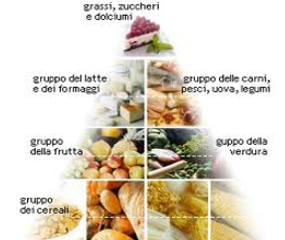
Consuming the typical foods of the Mediterranean diet is not enough to reap the acclaimed benefits of this dietary regimen. What makes the difference is the choice of foods and the way they are prepared.
This is why the National Order of Biologists is calling for scientific guidelines to be drawn up, capable of correctly guiding the population.
Senate Hearing
The biologists’ request was made at a hearing of the Order’s president, Ermanno Calcatelli, on Feb. 3, 2016, at the Senate Agriculture Committee, where the bill on measures to be taken to promote the Mediterranean diet has come up for consideration.
A Little-Known Heritage
Although it was qualified in 2010 by UNESCO as a World Heritage Site, the Mediterranean diet is still little known in its practical application. At the same time, the reduced availability of time for meal preparation encourages the overconsumption of complex carbohydrates and semi-processed foods with preservatives, dyes, and low-quality fats.
A trend that biologists say can be reversed by properly informing the population.
Informing the population
According to the National Order of Biologists, “The list of foods that make up the Mediterranean diet is necessary, but the ways, quantities and frequency of intake should also be taken into account. An incorrect intake of foods, potentially virtuous for the human diet, could unbalance the nutritional balance of humans, causing some physiological and metabolic degeneration. In contrast, proper intake of the foods contemplated within the Mediterranean diet, together with harmonious exercise, would confer immediate and lasting benefits to the human body. It is therefore deemed necessary that the Mediterranean diet be contextualized within a healthy lifestyle.”
To this end, biologists propose the following outline on which to work to define the Mediterranean Diet Guidelines.
Guidelines for the population over 20 years of age
✔︎ Fruits and vegetables (preferably raw or steamed): at least 5 servings daily;
✔︎ Olive oil: 2-3 servings daily;
✔︎ Dairy products: 1-2 servings daily;
✔︎ Maximum eggs: 2 weekly;
✔︎ White meat, fish: 1-2 servings daily;
✔︎ Complex carbohydrates such as bread, pasta, rice and cereals: 2-3 servings daily;
✔︎ Sweets and red meat: very moderate consumption.
As part of a healthy lifestyle, balanced food intake must necessarily be combined with regular physical activity, preferably outdoors. Physical activity does not mean that of a competitive nature, but simple walks of 45 minutes a day.


