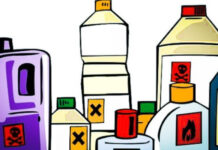


Chemicals that are toxic to health and the environment-ubiquitous in everyday materials and objects-must come under use restrictions and warning labeling. Warning. So concludes the report ‘Toxic Chemicals in Everyday Life,’ published on 10.7.19 by the UK Parliamentary Select Committee.
Common materials and objects, the unresolved chemical risk
TheEnvironmental Audit Committee performed a thorough investigation into the impact on human health and the ecosystem of toxic chemicals used in products for everyday use. With emphasis on food contact materials and objects, toys, furniture and furnishings, plastics, cosmetics.
Children, as always, are the most vulnerable segment of the population. With decidedly dangerous levels of exposure to toxic substances as early as the prenatal stage. The concentrations of flame retardants detected in the umbilical cord and milk of British women, even, are among the highest in the world.
Loopholes in European legislation on MOCAs-packaging, containers, kitchen equipment, cutlery, utensils and tableware-are also laid bare. Highlighting the lack of specific regulations to safeguard human health with regard to numerous materials, such as paper and cardboard, coatings, inks and glues.
Analysis, most dangerous substances and products
The risk analysis shows the recurrence of serious hazard and exposure to the contaminant on a number of toxic substances contained in articles in current use. The chemical risk map, to follow.
Bisphenols(BPA, BPF, BPS). Used in coatings of food contact materials, plastics,
and electronic toys, receipts, and various types of bisphenol are capable of altering reproductive and hormonal systems. As well as increasing the risk of cancer diseases.
Phthalates. Used as plasticizers, in food packaging and toys-as well as in furnishings and clothing-phthalates can also act on the hormonal system, development and fertility.
Flame retardants. The flame retardant property of flame retardants is in high demand and must persist for a long time on electronic equipment and furniture, as well as building materials. However, some retardants are classified as carcinogens as well as endocrine disruptors.
Parabens. Used in shampoos and bubble baths, creams and lotions, oils and sunscreens, toothpastes, and wipes (even baby wipes), parabens have estrogenic effects on the human body.
Fluorinated compounds. Equally in vogue in hygiene and cosmetic products for all ages, fluorinated compounds such as parabens also have estrogenic effects.
Formaldehyde. Still used in toys, MOCAs and air fresheners, as well as in insulation resins and coating materials, formaldehyde is classified as a carcinogen. In addition to irritating skin and mucous membranes.
Actions needed, in UK and EU
Brexit may perhaps help protect public and ecosystem health there where the European Commission has failed in its duties. Brussels continues to favor the special interests of the chemical industry over the common good, in defiance of the precautionary principle, among other things. Conversely, the British Parliamentary Commission says it is imperative to act urgently, on several fronts.
In MOCAs (Materials and Objects Intended to Come into Contact with Food), the most dangerous chemicals must be banned. Referring first to those that have been classified-under theRegistration and Authorization of Chemical Substances (REACH) regulation-as ‘substances of very high concern.’ The use of flame retardants, in home furnishings and accessories, should then be drastically reduced.
Information on the hazards associated with chemical hazards and means of reducing exposure must also be promoted by effective means. Either through public awareness campaigns or through special notices to be placed on product packaging. A call to manufacturing industries to make clear the risks associated with the presence of toxic substances in packaging and products is also on the horizon.
The survey preceding the release of the report reveals that nearly 75 percent of respondents actually say they are ‘very concerned’ about the presence of potentially hazardous contaminants in consumer products. Lamenting, in more than half of the cases, the unavailability of news that would allow the consumer to get an idea of the potential dangers associated with various products. And so to make, where appropriate, alternative consumption choices.
Dario Dongo and Luca Foltran
Notes
(1) House of Commons, Environmental Audit Committee. (2019).‘Toxic Chemicals in Everyday Life‘, https://publications.parliament.uk/pa/cm201719/cmselect/cmenvaud/1805/1805.pdf.

Dario Dongo, lawyer and journalist, PhD in international food law, founder of WIISE (FARE - GIFT - Food Times) and Égalité.

Expert in packaging and materials intended to come into contact with food substances and related legislative changes. He manages the information site foodcontactmaterials.info on European and extra-European regulations in the field of materials intended for contact with food.