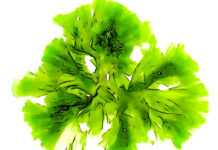

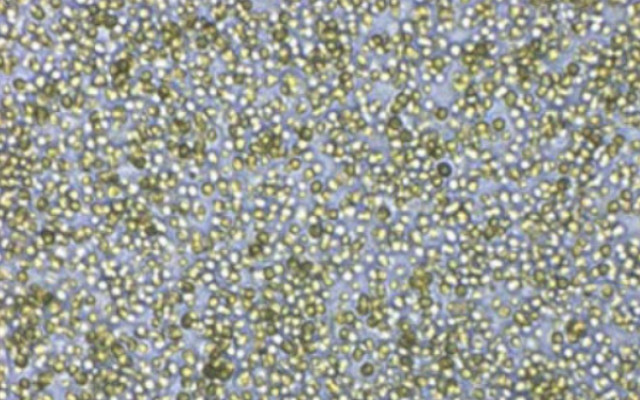
The marine microalgae Nannochloropsis spp. have emerged as highly promising candidates for nutraceutical applications, thanks to their remarkable biochemical profile and the sustainability of their production systems. Comprising six recognised species, including N. oculata, N. gaditana, N. oceanica, N. salina, N. limnetica, and N. granulata, these unicellular eukaryotic algae naturally accumulate high levels of eicosapentaenoic acid (EPA), proteins, and bioactive compounds (Ma et al., 2016; Zanella & Vianello, 2020). The growing interest in alternative omega-3 sources and sustainable food ingredients has positioned Nannochloropsis species at the forefront of microalgae biotechnology.
Nannochloropsis oculata exhibits remarkable nutritional density, with lipid content ranging from 25-45% of dry weight, predominantly comprising polar lipids and neutral lipids rich in EPA (Chua & Schenk, 2017). The genus Nannochloropsis is recognised as one of the richest non‑fish sources of the omega‑3 fatty acid eicosapentaenoic acid (EPA), with reported values reaching above 30 % of total fatty acids under optimal conditions (Safafar et al., 2016).
In addition, N. oceanica biomass has been found to contain approximately 40‑50 % protein by dry matter, with a balanced amino‑acid profile including all essential amino acids (Gundersen et al., 2024). Moreover, its pigment profile is enriched in the xanthophylls violaxanthin and vaucheriaxanthin, which play major roles in its light‑harvesting complexes (Sun et al., 2022).
The microalga also provides substantial amounts of vitamins including B12, E, and folate, alongside minerals such as iron, magnesium, and zinc (Kent et al., 2015). Recent metabolomic analyses have identified over 200 bioactive compounds, including chlorophyll derivatives, tocopherols, and phenolic compounds with demonstrated antioxidant properties (Gong & Bassi, 2016). This comprehensive nutritional profile positions N. oculata as a potential whole-food ingredient rather than merely a source of isolated compounds.
Bioavailability and health benefits
Studies investigating the bioavailability of EPA from Nannochloropsis sources demonstrate comparable or superior absorption rates compared to fish oil (Kagan et al., 2013). Human clinical trials have shown that daily supplementation with Nannochloropsis-derived EPA effectively increases plasma EPA levels and improves omega-3 index scores, with doses ranging from 250-500 mg EPA per day showing significant effects within 4-8 weeks (Maki et al., 2018).
The unique phospholipid-bound form of EPA in Nannochloropsis may enhance tissue incorporation compared to triglyceride-bound forms found in fish oils.
Beyond omega-3 provision, Nannochloropsis consumption has demonstrated multiple health benefits including anti-inflammatory effects, improved lipid profiles, and enhanced antioxidant status (Neumann et al., 2018). The carotenoid fraction, particularly fucoxanthin-related compounds, exhibits anti-obesity and anti-diabetic properties through modulation of lipid metabolism and glucose homeostasis (Ryckebosch et al., 2014).
Regulatory status
The European Food Safety Authority (EFSA) is currently evaluating an application (NF 2022-12550) for Nannochloropsis oculata oil as a novel food ingredient, with the product containing approximately 25% EPA proposed for use as a food supplement at maximum daily doses of 1,250 mg oil (equivalent to 312 mg EPA) (EFSA, 2024). The ongoing public consultation (PC-1228) indicates progression toward potential authorisation, though final approval remains pending. In other jurisdictions, including the United States, Nannochloropsis products are marketed as dietary supplements under Generally Recognized as Safe (GRAS) self-determination protocols.
Production technologies and quality control
Commercial cultivation of N. oculata employs various production systems ranging from open ponds to sophisticated photobioreactors, with yields reaching 0.5-1.5 g/L/day under optimised conditions (Rodolfi et al., 2017). Advanced cultivation strategies including two-stage processes, nitrogen deprivation, and light manipulation can enhance EPA accumulation to over 5% of dry weight whilst maintaining productivity (Ma et al., 2014). Harvesting typically involves centrifugation or membrane filtration, followed by spray-drying or freeze-drying to preserve nutritional quality.
Quality control protocols for nutraceutical-grade Nannochloropsis products encompass microbiological testing, heavy metal analysis, and fatty acid profiling to ensure consistency and safety (Enzing et al., 2014). Standardisation of EPA content, typically ranging from 20-30% in refined oils, requires sophisticated extraction technologies including supercritical CO2 extraction or enzymatic processing to maintain stability and bioactivity (Molino et al., 2018). Encapsulation technologies using microencapsulation or nanoformulation approaches further enhance stability and bioavailability of sensitive compounds.
Market potential and consumer applications
According to a report by Credence Research (2024), the ‘microalgae‑based products market’ (food & beverages, personal care, pharmaceuticals, nutraceuticals & dietary supplements, etc) was valued at USD 2.52 billion in 2024 and is projected to reach USD 6.27 billion by 2032, at a CAGR of ~7.3%. Current commercial applications include omega-3 supplements, functional food ingredients, and cosmeceutical formulations, with emerging interest in plant-based alternatives to fish oil driving innovation (Borowitzka, 2018). Consumer acceptance studies indicate positive reception for microalgae-derived EPA as a sustainable alternative to marine fish sources, particularly among environmentally conscious and vegetarian, vegan demographics.
Product development initiatives are exploring incorporation of Nannochloropsis biomass or extracts into functional foods including pasta, bread, smoothies, and protein bars, though sensory challenges related to marine flavour and green colouration require technological solutions (Batista et al., 2017). Microencapsulation and flavour masking technologies show promise in overcoming organoleptic barriers whilst maintaining nutritional integrity (Robertson et al., 2018).
In the European Union, however, the use of Nannochloropsis as a food ingredient requires specific authorisation under the Novel Food Regulation (EU) 2015/2283. Our FARE (Food and Agriculture Requirements) team supports food business operators and research consortia in the preparation and submission of novel food authorisation dossiers, ensuring compliance with EU regulatory standards.
Future perspectives and research directions
Ongoing research priorities, according to some researchers, include strain improvement through classical selection and genetic engineering approaches to enhance EPA yields and reduce production costs (Ajjawi et al., 2017). Metabolic engineering strategies targeting fatty acid biosynthesis pathways have demonstrated potential for doubling EPA content whilst maintaining growth rates (Poliner et al., 2018). Integration of Nannochloropsis cultivation with circular economy approaches, including wastewater treatment and CO2 sequestration, offers opportunities for sustainable and economically viable production systems.
Future clinical research should focus on establishing optimal dosing regimens, investigating synergistic effects with other nutraceuticals, and exploring therapeutic applications in specific health conditions (Lemahieu et al., 2013). Development of standardised protocols for cultivation, extraction, and formulation will be crucial for ensuring product consistency and facilitating regulatory approval across different markets. The potential for whole-cell consumption versus extracted components remains an active area of investigation, with implications for both nutritional value and commercial viability.
Conclusions
Nannochloropsis oculata represents a highly promising nutraceutical ingredient with substantial scientific support for safety and efficacy. Its rich content of EPA, proteins, and bioactive compounds, combined with sustainable production potential, positions it as a valuable alternative to traditional marine sources. While regulatory approval as a novel food in the EU remains pending, the growing body of evidence supporting its nutritional benefits and safety profile suggests imminent market authorisation. Continued research into optimisation of production, extraction, and formulation technologies will be essential for realising the full commercial potential of this remarkable microalga in human nutrition and health applications.
Dario Dongo
Cover by du Preez, R., Majzoub, M. E., Thomas, T., Panchal, S. K., & Brown, L. (2021). Nannochloropsis oceanica as a Microalgal Food Intervention in Diet-Induced Metabolic Syndrome in Rats. Nutrients, 13(11), 3991. https://doi.org/10.3390/nu13113991
References
- Ajjawi, I., Verruto, J., Aqui, M., Soriaga, L. B., Coppersmith, J., Kwok, K., Peach, L., Orchard, E., Kalb, R., Xu, W., Carlson, T. J., Francis, K., Konigsfeld, K., Bartalis, J., Schultz, A., Lambert, W., Schwartz, A. S., Brown, R., & Moellering, E. R. (2017). Lipid production in Nannochloropsis gaditana is doubled by decreasing expression of a single transcriptional regulator. Nature Biotechnology, 35(7), 647-652. https://doi.org/10.1038/nbt.3865
- Batista, A. P., Niccolai, A., Fradinho, P., Fragoso, S., Bursic, I., Rodolfi, L., Biondi, N., Tredici, M. R., Sousa, I., & Raymundo, A. (2017). Microalgae biomass as an alternative ingredient in cookies: Sensory, physical and chemical properties, antioxidant activity and in vitro digestibility. Algal Research, 26, 161-171. https://doi.org/10.1016/j.algal.2017.07.017
- Borowitzka, M. A. (2018). Microalgae in medicine and human health: A historical perspective. In I. A. Levine & J. Fleurence (Eds.), Microalgae in health and disease prevention (pp. 1-11). Academic Press. https://doi.org/10.1016/B978-0-12-811405-6.00009-8
- Chua, E. T., & Schenk, P. M. (2017). A biorefinery for Nannochloropsis: Induction, harvesting, and extraction of EPA-rich oil and high-value protein. Bioresource Technology, 244, 1416-1424. https://doi.org/10.1016/j.biortech.2017.05.124
- Credence Research. (2024). Microalgae‑based products market by type (Spirulina, Chlorella, Dunaliella Salina, Astaxanthin, β‑carotene, PUFA fatty acid, lutein, others); by application (food & beverages, personal care, pharmaceuticals, nutraceuticals & dietary supplements, chemicals, fuel, animal feed, others) – Growth, share, opportunities & competitive analysis, 2024‑2032 (Report ID: 8204). Credence Research. https://www.credenceresearch.com/report/microalgae-based-products-market
- European Food Safety Authority. (2024). Public consultation PC-1228: Extracted oil derived from Nannochloropsis oculata [Database record]. EFSA Register of Questions. Retrieved from https://food.ec.europa.eu/document/download/e9c3710c-b371-4912-bac2-63f5a53adb14_en?filename=novel-food_sum_ongoing-app_2022-12550.pdf&prefLang=fi
- Enzing, C., Ploeg, M., Barbosa, M., & Sijtsma, L. (2014). Microalgae-based products for the food and feed sector: An outlook for Europe (EUR 26255 EN). Publications Office of the European Union. https://doi.org/10.2791/3339
- Gong, M., & Bassi, A. (2016). Carotenoids from microalgae: A review of recent developments. Biotechnology Advances, 34(8), 1396-1412. https://doi.org/10.1016/j.biotechadv.2016.10.005
- Gundersen, E., et al. (2024). Nannochloropsis oceanica as a source of bioactive compounds: nutritional composition and cultivation responses. Marine Drugs, 22, 505. https://doi.org/10.3390/md22110505
- Kagan, M. L., West, A. L., Zante, C., & Calder, P. C. (2013). Acute appearance of fatty acids in human plasma—A comparative study between polar-lipid rich oil from the microalgae Nannochloropsis oculata and krill oil in healthy young males. Lipids in Health and Disease, 12, Article 102. https://doi.org/10.1186/1476-511X-12-102
- Kent, M., Welladsen, H. M., Mangott, A., & Li, Y. (2015). Nutritional evaluation of Australian microalgae as potential human health supplements. PLOS ONE, 10(2), Article e0118985. https://doi.org/10.1371/journal.pone.0118985
- Lemahieu, C., Bruneel, C., Termote-Verhalle, R., Muylaert, K., Buyse, J., & Foubert, I. (2013). Impact of feed supplementation with different omega-3 rich microalgae species on enrichment of eggs of laying hens. Food Chemistry, 141(4), 4051-4059. https://doi.org/10.1016/j.foodchem.2013.06.078
- Ma, X. N., Chen, T. P., Yang, B., Liu, J., & Chen, F. (2016). Lipid production from Nannochloropsis. Marine Drugs, 14(4), Article 61. https://doi.org/10.3390/md14040061
- Ma, Y., Wang, Z., Yu, C., Yin, Y., & Zhou, G. (2014). Evaluation of the potential of 9 Nannochloropsis strains for biodiesel production. Bioresource Technology, 167, 503-509. https://doi.org/10.1016/j.biortech.2014.06.047
- Molino, A., Iovine, A., Casella, P., Mehariya, S., Chianese, S., Cerbone, A., Rimauro, J., & Musmarra, D. (2018). Microalgae characterization for consolidated and new application in human food, animal feed and nutraceuticals. International Journal of Environmental Research and Public Health, 15(11), Article 2436. https://doi.org/10.3390/ijerph15112436
- Neumann, U., Derwenskus, F., Flaiz Flister, V., Schmid-Staiger, U., Hirth, T., & Bischoff, S. C. (2018). Bioavailability and safety of nutrients from the microalgae Chlorella vulgaris, Nannochloropsis oceanica and Phaeodactylum tricornutum in C57BL/6 mice. Nutrients, 10(8), Article 965. https://doi.org/10.3390/nu10080965
- Poliner, E., Pulman, J. A., Zienkiewicz, K., Childs, K., Benning, C., & Farré, E. M. (2018). A toolkit for Nannochloropsis oceanica CCMP1779 enables gene stacking and genetic engineering of the eicosapentaenoic acid pathway for enhanced long-chain polyunsaturated fatty acid production. Plant Biotechnology Journal, 16(1), 298-309. https://doi.org/10.1111/pbi.12772
- Rodolfi, L., Biondi, N., Guccione, A., Bassi, N., D’Ottavio, M., Arganaraz, G., & Tredici, M. R. (2017). Oil from microalgae: Production strategies with Nannochloropsis sp. In M. Pires & A. Chaves (Eds.), Microalgae: Cultivation, recovery of compounds and applications (pp. 125-147). Academic Press. ISBN‑13: 978‑012821218
- Ryckebosch, E., Bruneel, C., Termote-Verhalle, R., Goiris, K., Muylaert, K., & Foubert, I. (2014). Nutritional evaluation of microalgae oils rich in omega-3 long chain polyunsaturated fatty acids as an alternative for fish oil. Food Chemistry, 160, 393-400. https://doi.org/10.1016/j.foodchem.2014.03.087
- Safafar, H., Hass, M. Z., Møller, P., Holdt, S. L., & Jacobsen, C. (2016). High‑EPA biomass from Nannochloropsis salina cultivated in a flat‑panel photo‑bioreactor on a process water‑enriched growth medium. Marine Drugs, 14(8), 144. https://doi.org/10.3390/md14080144
- Sun, Y., et al. (2022). Enhancement of violaxanthin accumulation in Nannochloropsis via genetic transformation of carotenoid isomerase. Frontiers in Microbiology. https://doi.org/10.3389/fmicb.2022.942883
- Zanella, L., & Vianello, F. (2020). Microalgae of the genus Nannochloropsis: Chemical composition and functional implications for human nutrition. Journal of functional foods, 68, 103919. https://doi.org/10.1016/j.jff.2020.103919

Dario Dongo, lawyer and journalist, PhD in international food law, founder of WIISE (FARE - GIFT - Food Times) and Égalité.