
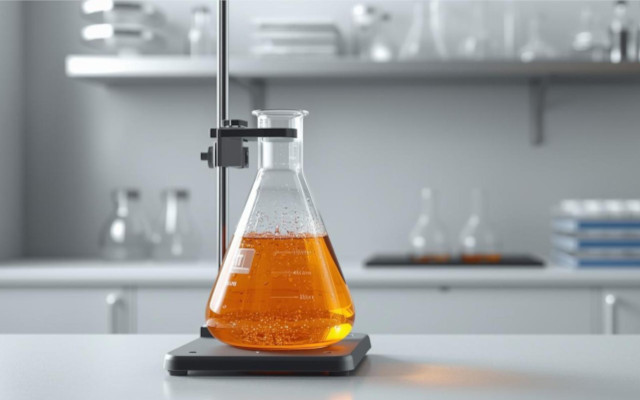
The agri-food supply chain generates large quantities of residues every year, which represent, at the same time, both a challenge and a resource for the environment and the global economy. Fermentation — encompassing both solid-state fermentation (SSF) and submerged fermentation (SF) — has emerged as a versatile, eco-compatible, and cost-effective biotechnological strategy for upcycling agri-food wastes and byproducts (AFWBs) into high-value-added compounds. A systematic review published in the Journal of the Science of Food and Agriculture by Tornuk and Akman (2025) examines studies conducted between 2020 to 2024, covering the production of bioactive compounds — including phenolics, single-cell proteins, bioactive peptides, amino acids, and organic acids — as well as non-food outputs such as bioplastics and biofuels. The review further addresses the microorganisms employed, fermentation strategies, and the persistent challenges of industrial scale-up and commercialisation. Despite promising laboratory-scale results, full commercialisation remains constrained by substrate heterogeneity, pretreatment requirements, and techno-economic barriers.
The agri-food chain ranks among the largest waste producers globally. According to the Food and Agriculture Organisation of the United Nations (FAO), approximately one-third of all food produced for human consumption is lost or wasted during upstream (production and postharvest) and downstream (processing, distribution, and consumption) stages of the food lifecycle, corresponding to roughly 1.6 billion tonnes annually (Tornuk & Akman, 2025). These residues — collectively referred to as agri-food wastes and byproducts (AFWBs), a broader category that extends beyond the conventional definition of food loss and waste (FLW) — include an extraordinarily diverse range of materials: fruit pomaces, vegetable peels, seeds, husks, cereal brans, olive mill waste, spent coffee grounds, brewer’s spent grain, whey, dairy sludge, chicken feather powder, and fish oil, among others (Capanoglu et al., 2022).
Beyond their sheer volume, AFWBs entail significant environmental impacts. They contain substantial quantities of carbon, nitrogen, hydrogen, oxygen, and sulphur, which contribute to greenhouse gas emissions, soil contamination, and water pollution when improperly disposed of. Agricultural activities and food processing are furthermore identified as primary contributors to nitrogen and phosphorus loading in European and global waterways (Tornuk & Akman, 2025). The economic dimension is equally relevant: municipal waste management costs — including landfill tipping fees averaging approximately USD 50 per tonne in the United States — represent a considerable burden on public resources (Tornuk & Akman, 2025).
Against this backdrop, the valorisation of AFWBs into useful and marketable products has become a central objective of food systems research and policy, fitting squarely within the framework of the United Nations Sustainable Development Goals. The most directly relevant is SDG 12 (‘Responsible Consumption and Production’), which targets a 50% reduction in per capita food waste and a minimisation of food losses along supply chains by 2030. Valorisation strategies also support SDG 2 (food security), SDG 6 (water quality), and the broader circular bioeconomy paradigm (Capanoglu et al., 2022; Ortiz-Sanchez et al., 2023).
Among the available approaches — which include physico-chemical extraction, membrane separation, pyrolysis, and anaerobic digestion — fermentation stands out for its unique combination of:
- ecological compatibility;
- energy efficiency;
- technical versatility; and
- capacity to simultaneously enhance the nutritional profile of substrates and produce diverse bioactive metabolites.
Methodology
Tornuk and Akman (2025) conducted a systematic literature review using a top-down approach, querying the academic databases Scopus, Web of Science, and Google Scholar. The search strategy employed a predefined set of keywords, including ‘agri-food wastes’, ‘agri-food byproducts’, ‘value-added products from wastes’, ‘phenolic compounds’, ‘single-cell proteins’, ‘bioactive peptides and amino acids’, ‘fermentative microorganisms’, ‘fermentation types’, ‘biofuels’, ‘bioplastics’, ‘scale-up in food industry’, and ‘commercialisation strategies’.
The review restricted its scope to studies published from 2020 onwards, thereby ensuring that the analysis reflects the most current scientific landscape. The classification framework adopted by the authors distinguishes between:
- two principal fermentation modes: solid-state fermentation (SSF) and submerged fermentation (SmF), as well as
- four main categories of fermentative microorganisms: lactic acid bacteria (LAB), yeasts, filamentous fungi, and other bacteria (notably Bacillus spp.).
Each category of microorganism is assessed in relation to the target bioactive compounds it is capable of producing, the substrates it can utilise, and the fermentation conditions required for optimal yield. The review also addresses non-food value-added outputs, scale-up strategies, and commercialisation pathways.
The general production pathway described in the review involves four sequential stages:
- substrate pretreatment (physical, chemical, or enzymatic);
- fermentation optimisation (time, temperature, pH, sugar levels);
- fermentation proper (inoculation with selected bacterial, yeast, or fungal cultures);
- purification (extraction, centrifugation, chromatography). Pretreatments are noted as particularly important for lignocellulosic AFWBs, as high-molecular-weight polysaccharides must be hydrolysed into fermentable sugars before microbial utilisation can occur, while care must be taken to avoid generating inhibitory by-products (furfurals, phenols, organic acids) that may compromise fermentation efficiency (De Villa et al., 2023; Tornuk & Akman, 2025).
Results
Microorganisms employed in AFWB fermentation
LAB — non-spore-forming, Gram-positive rod- or cocci-shaped bacteria — are identified as the most widely employed group in food-grade fermentation applications. Their proteolytic and saccharolytic activities support the production of:
- organic acids
- exopolysaccharides,
- bacteriocins
- vitamins, and
- a range of bioactive amino acids.
Lactic acid is the primary metabolite of carbohydrate metabolism, while proteolysis yields health-beneficial compounds including essential amino acids and anti-allergen peptides. Notably, the substrate specificity of LAB and fermentation conditions are identified as the most critical determinants of amino acid profile in AFWB fermentation (Tornuk & Akman, 2025).
Yeasts — in particular Saccharomyces cerevisiae, Candida utilis, Yarrowia lipolytica, and Kluyveromyces marxianus — are highlighted for their central role in single-cell protein (SCP) production from fruit-based residues, dairy effluents, and waste lipid substrates. Some species, including S. cerevisiae var. boulardii and Torulaspora delbrueckii, also exhibit demonstrable probiotic properties.
Filamentous fungi — most notably Aspergillus niger and related Aspergillus species — are consistently identified as the most effective microbial agents for the enhancement of polyphenolic content in AFWBs, owing to their capacity to secrete a broad range of hydrolytic enzymes (tannases, cellulases, xylanases, glucosidases) that degrade plant cell-wall polymers and liberate bound phenolics (De Villa et al., 2023).
Phenolic compounds
Phenolics constitute the most extensively studied class of value-added compounds recoverable from AFWBs via fermentation. These secondary metabolites — which encompass flavonoids, phenolic acids, tannins, and anthocyanins — exhibit well-documented antioxidant, anti-inflammatory, antimicrobial, antihypertensive, and anticarcinogenic properties, conferring commercial interest across the food, nutraceutical, cosmetic, and pharmaceutical sectors (Capanoglu et al., 2022).
The review reports consistent enhancement of total polyphenol content and antioxidant capacity when applying SSF with A. niger to grape pomace, avocado seeds, pineapple peel and core, and tannin-rich fruit-processing residues. For instance, free phenols in pineapple peel were increased by 72.31% under SSF conditions, while gallic acid was successfully produced from tannin-rich fruit-processing wastes. SSF with basidiomycete white-rot fungi — including Trametes versicolor, Pleurotus eryngii, and Ganoderma lucidum — on grape pomace is also documented, extending the taxonomic diversity of fungal bioconversion strategies. LAB fermentation of blueberry juice similarly modified the phenolic profile, increasing contents of catechins, syringic acid, p-coumaric acid, and caffeic acid (Tornuk & Akman, 2025).
Single-cell proteins
SCPs — whole dried microbial biomass valued for their high protein content, vitamin richness, and relative cost-effectiveness compared to conventional animal- and plant-based protein sources — have attracted considerable attention as a means of addressing global protein scarcity. The review documents protein yields of up to 47.78% of dry substrate using S. cerevisiae on mixed fruit and vegetable residues (banana, citrus, carrot pomaces, and potato peel), and up to 44.8% biomass protein content when cultivating Aspergillus oryzae var. oryzae on brewer’s spent grain. Y. lipolytica is identified as particularly versatile, achieving a protein yield of 38.80% from food-waste streams sourced from anaerobic digestion reactors. The review notes that fungal-based SCPs offer advantages in terms of balanced lipid, protein, and fibre distribution, with the exception of a relative deficit in methionine (Tornuk & Akman, 2025).
Bioactive peptides and amino acids
The fermentative production of bioactive peptides — short amino acid chains with antimicrobial, antihypertensive, anticancer, antidiabetic, antioxidant, and neuroprotective activities — is extensively reviewed across a wide range of substrates and microbial strains. LAB fermentation of bitter beans, whey protein concentrate, and leftover green tea residues yielded peptides with significant biological potency. Bacillus licheniformis achieved a high-level peptide yield of 185.99 mg g⁻¹ through SSF of chicken feather powder and okara (the fibrous pulp remaining after soy milk extraction), while B. clausii enhanced the protein hydrolysate content of spent coffee grounds. Filamentous fungi A. niger and A. sydowii are likewise reported to produce high-quality peptides from soy bran, soy husk, and katsuobushi grounds. The review additionally addresses the production of γ-aminobutyric acid (GABA) — a non-protein amino acid with documented neural health benefits — by LAB strains fermenting dairy sludge and soybean meal (Tornuk & Akman, 2025).
Other bioactive metabolites and non-food products
Beyond the compound classes discussed above, the review surveys a range of additional fermentation products of commercial significance. These include:
- organic acids: lactic acid from Lactobacillus spp. fermenting dairy, starchy, and household food wastes; citric acid from A. niger on cashew apple juice;
- polyunsaturated fatty acids and β-carotene from Mucor wosnessenskii on cereal substrates;
- 2-phenylethanol from Pichia kudriavzevii;
- short branched-chain fatty acids, and natural biopigments.
These outputs are positioned within the conceptual framework of biorefinery systems, wherein multiple value streams are recovered simultaneously from a single waste feedstock, improving overall process economics (Ortiz-Sanchez et al., 2023; Tornuk & Akman, 2025).
The review devotes a dedicated section to non-food industrial outputs derived from AFWB fermentation, encompassing:
- bioplastics (polyhydroxyalkanoates, polylactic acid, polyhydroxybutyrate);
- biofuels across four generational categories;
- industrial enzymes (carbohydrases, proteases, lipases, oxidoreductases);
- biofertilisers.
Biofuels are projected to account for approximately 30% of global energy demand by 2050. The review highlights the co-production concept — simultaneous recovery of multiple value-added products within a single fermentation batch — as a strategy that can significantly improve both productivity and the economic case for investment in AFWB bioprocessing infrastructure (Tornuk & Akman, 2025).
Discussion
The review by Tornuk and Akman (2025) consolidates a substantial body of evidence confirming that fermentation — in both its SSF and SF forms — constitutes a scientifically robust and environmentally compatible platform for AFWB valorisation. The diversity of microorganisms, substrates, and compound classes documented across the surveyed literature reflects a field that has progressed well beyond initial proof-of-concept, with laboratory-scale feasibility broadly demonstrated across multiple application domains. The alignment of fermentation-based strategies with the principles of the circular bioeconomy and the UN SDGs lends additional impetus to their further development (Capanoglu et al., 2022; Ortiz-Sanchez et al., 2023).
Nevertheless, the transition from laboratory to industrial scale remains the sector’s most significant unresolved challenge. A recurring limitation identified in the primary literature is the absence of commercial-scale fermentation data, preventing robust techno-economic and life cycle assessment. The compositional heterogeneity of AFWBs — variable in moisture content, pH, particle size, and chemical composition across seasons, geographic origins, and production processes — substantially complicates pretreatment optimisation and process standardisation. Lignocellulosic residues present particular difficulties, as their saccharification to fermentable sugars may generate inhibitory compounds (furfurals, chloric acid, nitrous acid) that must be neutralised prior to fermentation (De Villa et al., 2023; Tornuk & Akman, 2025).
Among the technologies reviewed:
- citric acid and lactic acid production have achieved industrial maturity, as has SCP production using selected yeasts and fungi;
- SSF protocols for phenolic recovery from fruit and vegetable byproducts have been validated at pilot and semi-industrial scale, benefiting from low water requirements and high enzyme efficiency;
- fermentation-derived bioplastics and most biofuel processes, vice-versa, remain largely in the demonstration phase, constrained by cost, substrate complexity, and the high investment required for biorefinery infrastructure.
The authors identify advances in AI-driven process control, mixed-culture fermentation, and engineered enzyme cocktails as the most promising routes for overcoming current scale-up barriers (Tornuk & Akman, 2025).
From a broader perspective, the review situates these findings within the global context of food system sustainability. The case of Türkiye — one of the world’s largest agri-food producers, generating approximately 110 million tonnes of total waste per year, of which 1.4 million tonnes originated from the food industry in 2022 — illustrates the national policy dimension of AFWB management. The country’s ‘Zero Waste Approach’ and associated regulatory framework are highlighted as examples of institutional commitment to valorisation-oriented waste governance, in alignment with European Union directives (Tornuk & Akman, 2025).
Conclusions
The review by Tornuk and Akman (2025) provides an authoritative and timely synthesis of fermentation as a green valorisation technology for agri-food wastes and byproducts. Its principal conclusions may be summarised as follows:
- filamentous fungi, particularly Aspergillus niger, are the most effective agents for enhancing polyphenolic recovery through SSF;
- yeasts predominate in SCP production systems;
- LAB together with Bacillus spp. are the primary producers of bioactive peptides and amino acids.
Future research efforts should prioritise the development of scalable, economically viable strategies, the refinement of pretreatment protocols, and the design of integrated biorefinery models that maximise value recovery from each waste stream. The incorporation of emerging tools — including AI-assisted process optimisation, precision fermentation, and synthetic biology approaches — is identified as central to advancing commercial-scale implementation. Overall, fermentation represents a compelling and scientifically well-founded contribution to the sustainable management of agri-food waste, with the potential to generate significant environmental, nutritional, and economic dividends as the field continues to mature (Capanoglu et al., 2022; De Villa et al., 2023; Ortiz-Sanchez et al., 2023; Tornuk & Akman, 2025).
Dario Dongo
References
- Capanoglu, E., Nemli, E., & Tomas-Barberan, F. (2022). Novel approaches in the valorization of agricultural wastes and their applications. Journal of Agricultural and Food Chemistry, 70(23), 6787–6804. https://doi.org/10.1021/acs.jafc.1c07104
- De Villa, R., Roasa, J., Mine, Y., & Tsao, R. (2023). Impact of solid-state fermentation on factors and mechanisms influencing the bioactive compounds of grains and processing by-products. Critical Reviews in Food Science and Nutrition, 63(21), 5388–5413. https://doi.org/10.1080/10408398.2021.2018989
- Ortiz-Sanchez, M., Inocencio-García, P.-J., Alzate-Ramírez, A. F., & Alzate, C. A. C. (2023). Potential and restrictions of food-waste valorization through fermentation processes. Fermentation, 9(3), 274. https://doi.org/10.3390/fermentation9030274
- Tornuk, F., & Akman, P. K. (2025). Recent developments in the valorization of agri-food waste and byproducts by fermentation. Journal of the Science of Food and Agriculture. Advance online publication. https://doi.org/10.1002/jsfa.70160

Dario Dongo, lawyer and journalist, PhD in international food law, founder of WIISE (FARE - GIFT - Food Times) and Égalité.