
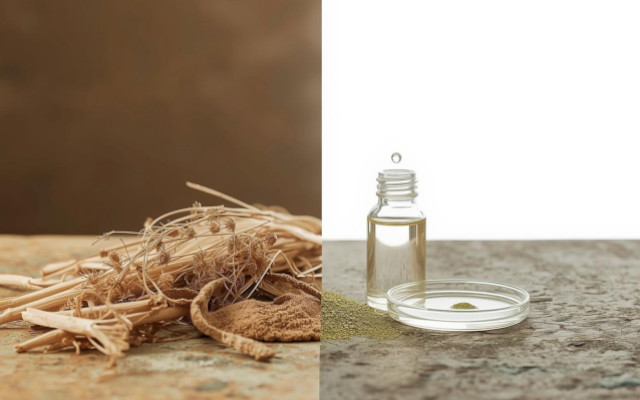
A recent study published in Scientific Reports (Santoro et al., 2024) investigates the scientific and practical potential of fennel by-products — specifically the outermost bracts discarded during harvesting of Foeniculum vulgare Mill. — in the context of food loss and waste valorisation. Conducted by researchers at the Department of Pharmacy, University of Salerno, the work draws on organic crop material sourced from the Sele plain in Capaccio (Salerno), Campania, and represents a meaningful contribution to the growing field of circular bioeconomy applied to the agri-food sector.
Fennel (Foeniculum vulgare Mill.) is one of the most widely cultivated aromatic plants in the Mediterranean basin, valued for its nutritional properties, essential oil content, and broad spectrum of documented bioactivities, including antimicrobial, antioxidant, anti-inflammatory, and hepatoprotective effects (Badgujar et al., 2014; Noreen et al., 2023). During commercial harvesting, however, the outermost bracts — which constitute approximately 60% of the total plant biomass — are routinely discarded in the field and treated as agricultural waste. This practice carries an additional agronomic cost: the allelopathic compounds present in fennel residues may impair the productivity of subsequent crops grown on the same soil (Santoro et al., 2024). These converging factors — economic, environmental, and agronomic — provided the primary rationale for the present investigation.
Methodology
The study adopted a dual analytical approach, examining both hydroalcoholic extracts (HEs) and essential oils (EOs) obtained from the edible (heart-forming bracts) and non-edible (waste) portions of the plant. HEs were prepared via ultrasound-assisted extraction (UAE) using an ethanol–water (4:1) mixture, followed by evaporation and lyophilisation. EOs were obtained by hydro-distillation according to the European Pharmacopoeia. Qualitative and quantitative phytochemical profiling was performed using high-resolution electrospray ionisation mass spectrometry (LC-HRESIMS) and gas chromatography–mass spectrometry (GC-MS). Antioxidant activity was evaluated via DPPH and ABTS radical scavenging assays (Brand-Williams et al., 1995; Re et al., 1999), while antimicrobial activity was assessed by the disk diffusion method against a panel of seven bacterial strains common in food contamination contexts.
Phytochemical composition
The LC-HRESIMS analysis of the HEs revealed a rich and diverse array of secondary metabolites, including flavonoids (quercetin, kaempferol, and isorhamnetin glycosides), phenolic acid derivatives (caffeoylquinic and feruloylquinic acids, chlorogenic acid), amino acids, and polyunsaturated fatty acids. A particularly notable finding was that the waste fraction displayed markedly greater phytochemical complexity than the edible portion, harbouring a considerably broader range of flavonoid compounds. This observation aligns with established understanding of flavonoid biosynthesis: aerial plant parts exposed to environmental stressors tend to accumulate higher concentrations of protective polyphenolic compounds (Petrussa et al., 2013). Quantitative analysis confirmed elevated levels of essential amino acids — notably phenylalanine, threonine, valine, and leucine — alongside significant concentrations of omega-3 and omega-6 fatty acids, suggesting appreciable nutritional value in the waste extract.
Essential oil composition
A total of 41 components were identified across the two EOs, with both profiles dominated by oxygenated monoterpenes (approximately 65–67% of the total). The principal constituents were trans-anethole (57.1% in the edible parts, 51.5% in the waste) and limonene (23.3% and 26.7%, respectively), with estragole and exo-fenchyl acetate also present in notable proportions. The composition of the two EOs was broadly comparable, a finding consistent with earlier studies on fennel EOs from diverse geographical origins (Mimica-Dukić et al., 2003; Piccaglia & Marotti, 2001). Minor qualitative differences were observed in the sesquiterpene fractions: the edible parts contained α-cis-bergamotene, guaiol, and α-muurolol, while the waste EO presented α-guaiene, valencene, and longifolol. The EO yield from waste (0.002% on a fresh weight basis) slightly exceeded that from the edible parts (0.001%), further supporting the recovery potential of the discarded material.
Antioxidant and antimicrobial activities
The antioxidant assays yielded differentiated results. The waste HE demonstrated moderate antioxidant activity (DPPH IC₅₀: 503.77 ± 0.33 µg/mL; ABTS TEAC: 3.44 ± 0.44 mM at 10 mg/mL), which the authors attribute to its polyphenolic richness, particularly the flavonoid content. By contrast, the HE from edible parts showed no significant activity in either assay, reflecting its comparatively depleted flavonoid profile. Neither EO demonstrated meaningful antioxidant capacity under the tested conditions. Antimicrobial testing produced more striking results: the EOs from both plant fractions exhibited inhibitory activity against virtually all seven bacterial strains tested, including Listeria monocytogenes, Staphylococcus aureus, Salmonella sp., and Shigella sp., with inhibition zones broadly comparable between the waste and edible-part EOs. These findings are consistent with previous reports attributing the antimicrobial efficacy of fennel EO primarily to trans-anethole (Naaz et al., 2022; Roby et al., 2013). The HEs, by contrast, were inactive against all tested strains.
Conclusions and implications
The study demonstrates persuasively that the by-products of fennel harvesting — commonly abandoned or ploughed back into the soil — represent a chemically complex and biologically active material worthy of systematic recovery and valorisation. Both the HE and EO fractions of the waste contain compounds of nutritional and functional relevance that mirror, and in some cases surpass, those found in the commercially marketable edible portion. The authors conclude that fennel loss should no longer be treated as an agricultural residue but reconsidered as a potential source of bioactive ingredients for application in food, pharmaceutical, and nutraceutical contexts (Santoro et al., 2024; Turon et al., 2014). This work adds to an emerging evidence base supporting the transition towards zero-waste harvest models in the Mediterranean vegetable sector, with direct implications for producers, processors, and regulatory stakeholders engaged with sustainable food systems.
Dario Dongo
References
- Badgujar, S. B., Patel, V. V., & Bandivdekar, A. H. (2014). Foeniculum vulgare Mill: a review of its botany, phytochemistry, pharmacology, contemporary application, and toxicology. BioMed Research International, 2014, 842674. https://doi.org/10.1155/2014/842674
- Brand-Williams, W., Cuvelier, M. E., & Berset, C. (1995). Use of a free radical method to evaluate antioxidant activity. LWT – Food Science and Technology, 28(1), 25–30. https://doi.org/10.1016/S0023-6438(95)80008-5
- Mimica-Dukić, N., Kujundžić, S., Soković, M., & Couladis, M. (2003). Essential oil composition and antifungal activity of Foeniculum vulgare Mill. obtained by different distillation conditions. Phytotherapy Research, 17(4), 368–371. https://doi.org/10.1002/ptr.1159
- Naaz, S., et al. (2022). Antimicrobial and antioxidant activities of fennel oil. Bioinformation, 18(9), 795–800. https://doi.org/10.6026/97320630018795
- Noreen, S., Tufail, T., Ul Ain, H. B., & Awuchi, C. G. (2023). Pharmacological, nutraceutical, functional and therapeutic properties of fennel (Foeniculum vulgare). International Journal of Food Properties, 26(1), 915–927. https://doi.org/10.1080/10942912.2023.2192436
- Petrussa, E., et al. (2013). Plant flavonoids — biosynthesis, transport and involvement in stress responses. International Journal of Molecular Sciences, 14(7), 14950–14973. https://doi.org/10.3390/ijms140714950
- Piccaglia, R., & Marotti, M. (2001). Characterization of some Italian types of wild fennel (Foeniculum vulgare Mill.). Journal of Agricultural and Food Chemistry, 49(1), 239–244. https://doi.org/10.1021/jf000636+
- Re, R., et al. (1999). Antioxidant activity applying an improved ABTS radical cation decolorization assay. Free Radical Biology and Medicine, 26(9–10), 1231–1237. https://doi.org/10.1016/S0891-5849(98)00315-3
- Roby, M. H. H., Sarhan, M. A., Selim, K. A. H., & Khalel, K. I. (2013). Antioxidant and antimicrobial activities of essential oil and extracts of fennel (Foeniculum vulgare L.) and chamomile (Matricaria chamomilla L.). Industrial Crops and Products, 44, 437–445. https://doi.org/10.1016/j.indcrop.2012.10.012
- Santoro, V., Rosa, E., Donadio, G., Polito, F., De Feo, V., & De Tommasi, N. (2024). Foeniculum vulgare Miller bracts, revalorization of a local food waste. Scientific Reports, 14, 31287. https://doi.org/10.1038/s41598-024-82779-9
- Turon, X., et al. (2014). Food waste and byproduct valorization through bio-processing: opportunities and challenges. BioResources, 9(4), 5774–5777. https://doi.org/10.15376/biores.9.4.5774-5777

Dario Dongo, lawyer and journalist, PhD in international food law, founder of WIISE (FARE - GIFT - Food Times) and Égalité.